When most travelers think of Marrakech, they picture bustling souks, beautiful riads, and lively streets. That is certainly part of the city’s magic, and for many, it is what it takes to fall in love with the city. Yet one question comes up again and again from curious visitors: are there any museums here that are actually worth seeing?
That's a fair question. Many “best of” lists label almost anything with an old doorway as a museum. In practice, some of these places are historic monuments rather than museums, while others are riads marketed as museums to attract visitors but function primarily as shops for rugs, jewelry, or perfumes, with a few display panels added along the way. Even well-known travel sites and well-traveled bloggers often blur this line, which can leave visitors confused or disappointed.
That is why we’ve put together this article. These are 9 museums that we hand-picked based on consistent praise and excellent feedback we hear from our guests, who in many cases leave them pleasantly surprised, having expected very little before getting in. Each of these places reflects a real effort in curation, storytelling, and care. They do not all aim to be comprehensive or grand, but they offer something thoughtful, intimate, and memorable. And in our experience, that is what makes visiting them so rewarding.
1. Musée Yves Saint Laurent Marrakech
This is often the museum people mention first, even when fashion is not their main interest.
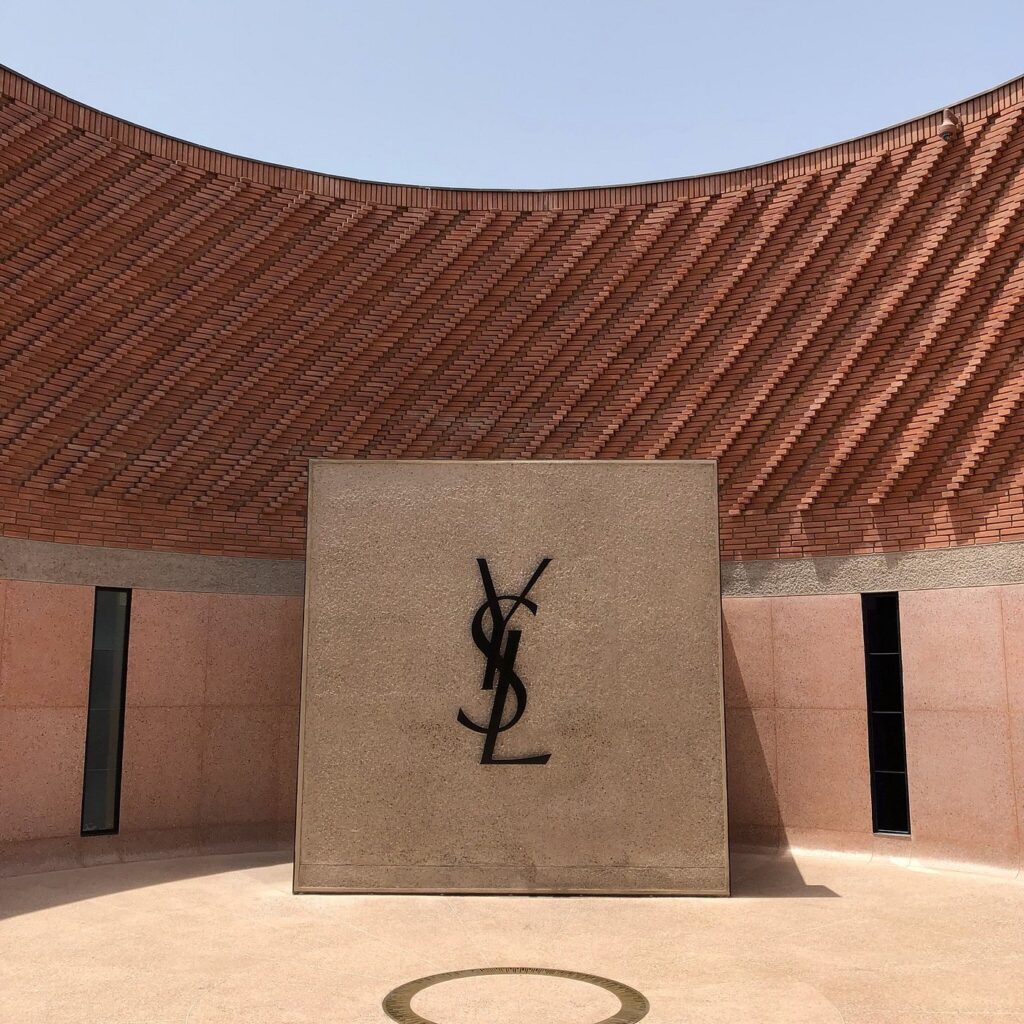
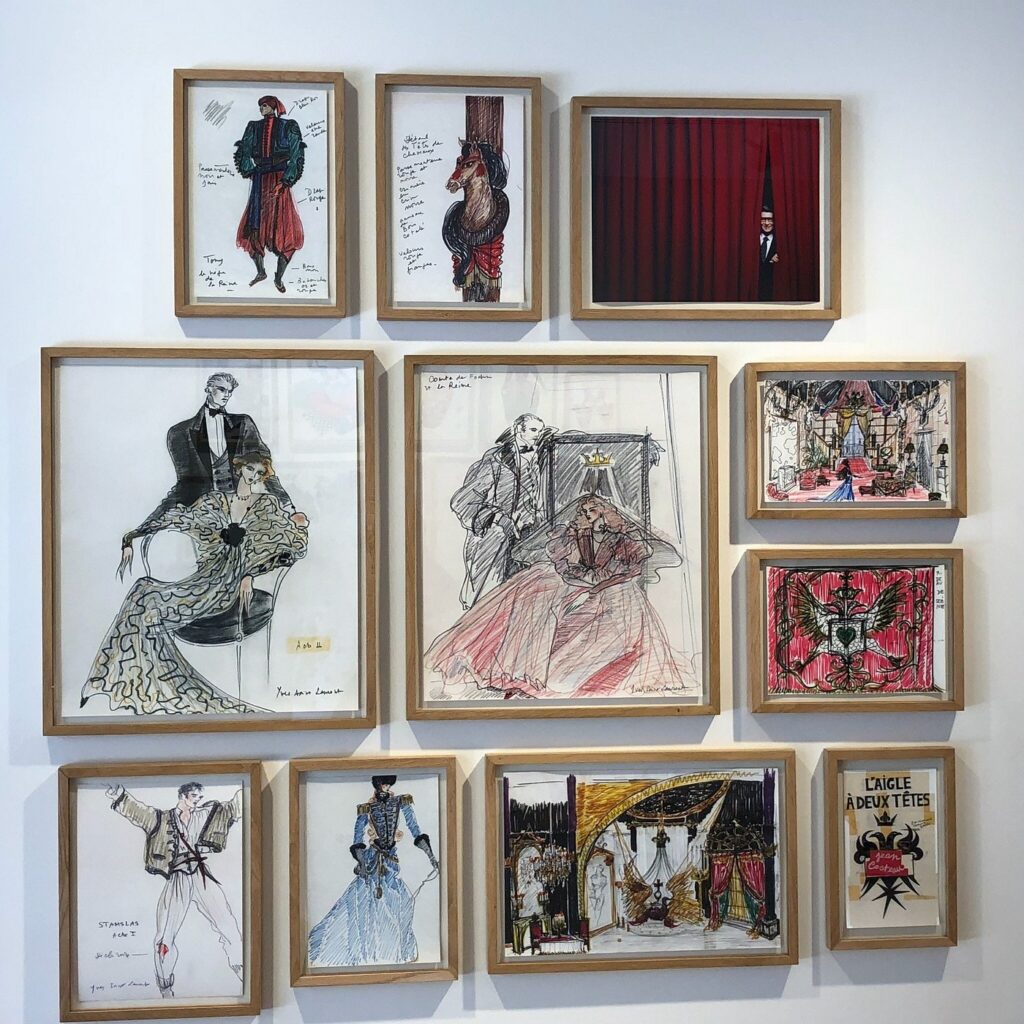
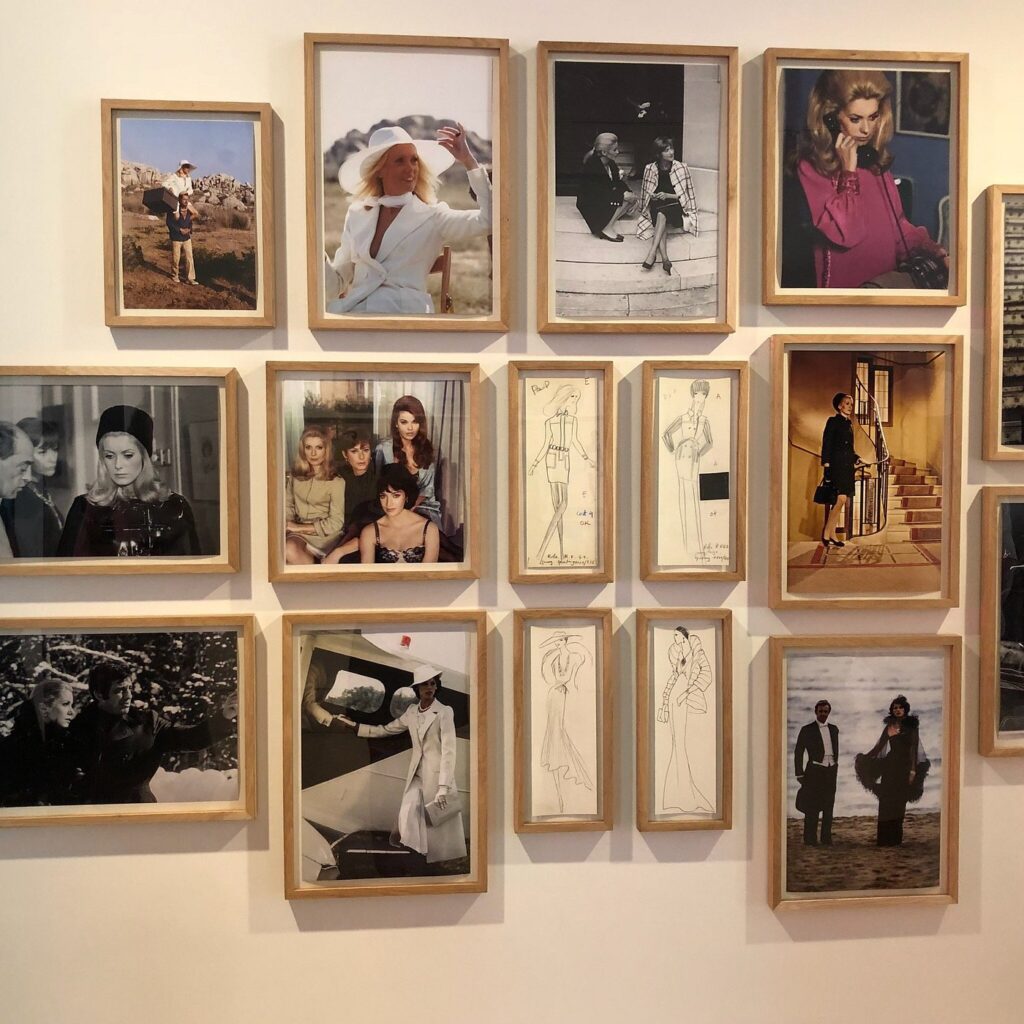
The museum explores Yves Saint Laurent’s creative world and his deep relationship with Morocco. Many travelers are surprised to learn how much Marrakech influenced his colors, silhouettes, and way of working.
The exhibitions rotate, but they are consistently well-curated, with a thoughtful balance between design, context, and personal material.
The building itself is modern, calm, and intentionally restrained. After the intensity of the Medina, the experience feels almost meditative. Visitors tend to move slowly here, reading, observing, and absorbing rather than rushing.
What usually stands out is the clarity. Nothing feels random. Even people who expected to spend thirty minutes often stay much longer.
🕰️ Time typically spent
Most visitors spend 1 to 1.5 hours, though those interested in fashion or design may linger up to 2 hours.
❤️ Who is most likely to enjoy it
Travelers interested in design, fashion, art, or modern cultural history. Also appreciated by visitors who want a quieter, more polished experience to balance the intensity of the Medina.
🕘 Opening times
Usually open daily except Wednesdays, from 10 a.m. to 6 p.m. Last entry at 5:30 p.m.
🎫 Admission tickets
Paid entry. Tickets can only be purchased in advance from their official website: https://tickets.jardinmajorelle.com/
Adults: 140 MAD
Children: 75 MAD (Admission is free for children under 10 y.o)
📍 Address & how to get there
Rue Yves Saint Laurent, near Jardin Majorelle. Best reached by taxi (12-15 min ride).
2. Dar el Bacha – Museum of Confluences
This is one of the museums that quietly exceeds expectations, especially for travelers who enjoy understanding context rather than simply seeing objects.
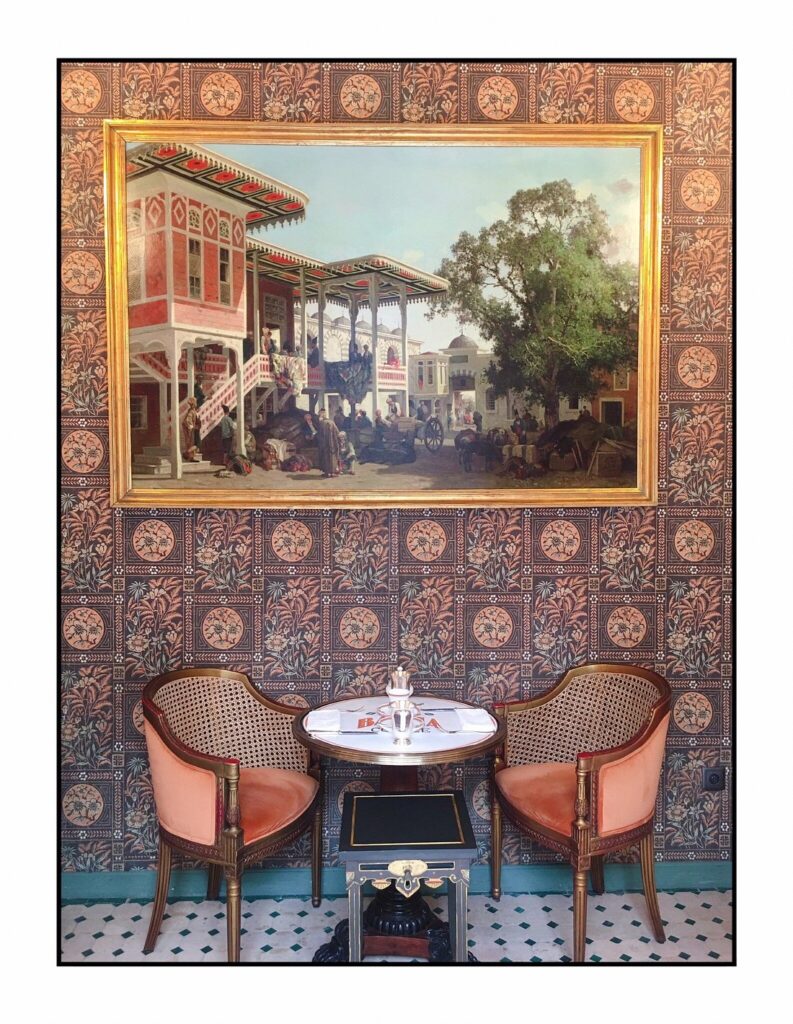
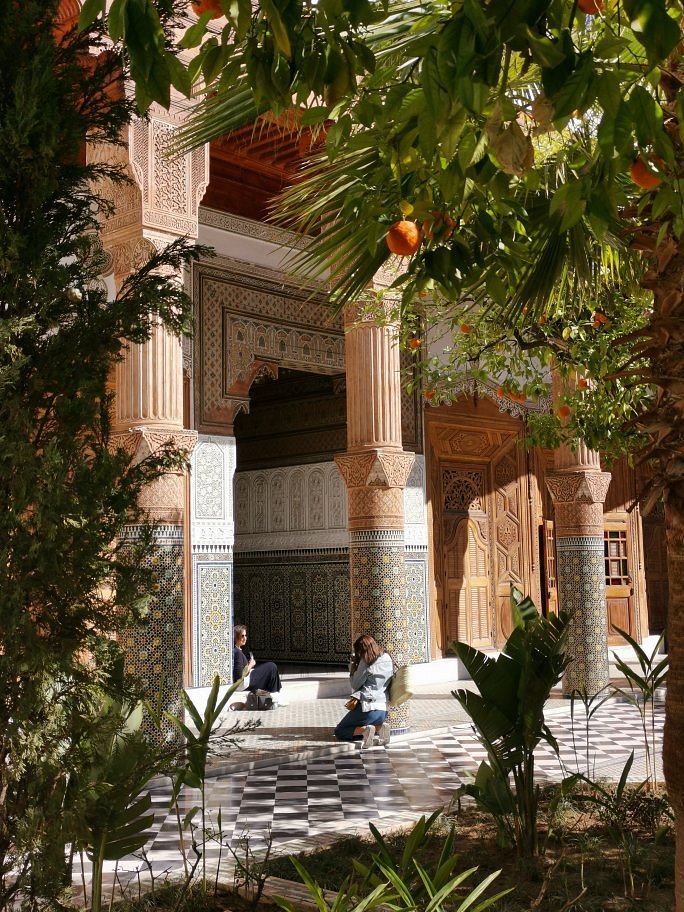
Dar el Bacha, meaning House of the Pasha, was once the residence of Thami El Glaoui, the powerful governor of Marrakech and much of southern Morocco during the early 20th century under French rule. Today, the museum explores Morocco as a place of exchange, focusing on science, religion, diplomacy, and cultural connections that span centuries.
The exhibitions are calm and thoughtfully presented. Manuscripts, maps, and objects are given room to breathe, and nothing feels rushed or overcrowded. Many visitors arrive for the palace architecture and end up staying for the ideas.
What usually stands out is the overall atmosphere. The space feels balanced and coherent, and visitors naturally slow down as they move through it.
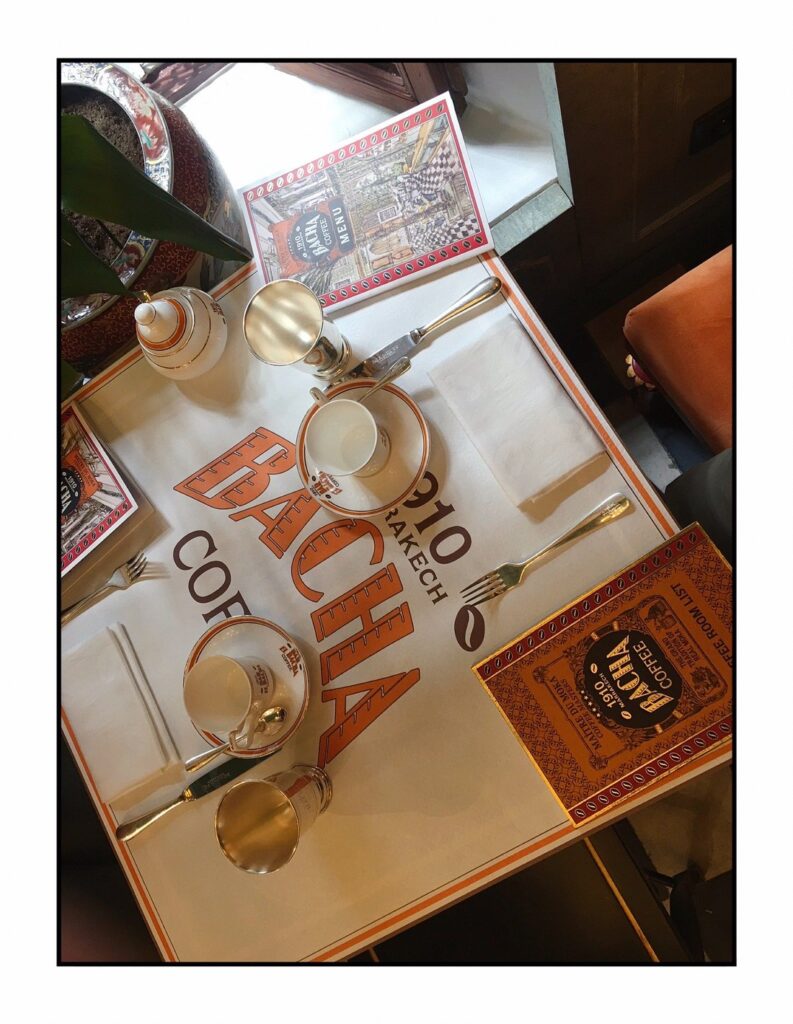
Attached to the museum is Bacha Coffee, a now well-known café and coffee brand specializing in Arabica coffees. For many guests, stopping here after the visit becomes part of the experience.
🕰️ Time typically spent
About 1 to 1.5 hours, including time to browse the exhibitions and enjoy the architecture. Stopping at Bacha Coffee can add another 20–30 minutes.
❤️ Who is most likely to enjoy it
Thoughtful travelers interested in history, ideas, and architecture. It is also often a favorite among visitors who usually say they are “not museum people.”
🕘 Opening times
Open daily from 10 a.m. to 6 p.m. Closed on Mondays.
Bacha Coffee follows the same opening hours.
🎫 Admission tickets
Paid entry.
Adults: 60 MAD
Children under 18: 15 MAD
Tickets are purchased at the entrance.
📍 Address & how to get there
Derb El Bahia, Riad Zitoun Jdid, Marrakech. Walkable from most riads in the medina. Taxis can also drop nearby.
3. Marrakech Museum (Dar Mnebhi)
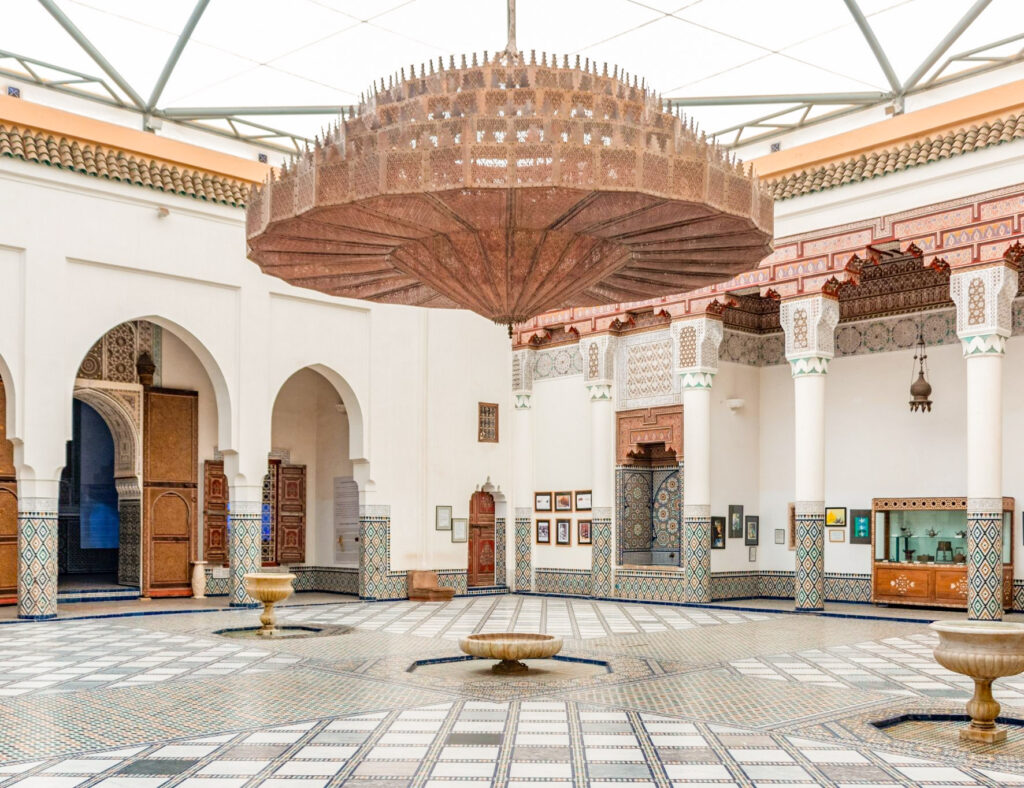
This museum is housed in Dar Mnebhi, a large 19th-century palace located near Ben Youssef, and the building itself is the main reason to visit. Originally built as a private residence, the palace later served several roles over time. After Morocco regained its independence (1956), the palace was seized by the state and was converted to a girls' school in 1965, before being restored and reopened as a museum in the late 1990s.
Today, the museum occupies the palace as both an exhibition space and a way to experience a traditional Marrakech residence at scale. The focus is less on a single narrative and more on showcasing the building and a selection of objects within it.
Inside, you will find a mix of traditional artifacts, coins, calligraphy, and occasional contemporary exhibitions. The presentation can feel uneven, and explanatory panels are sometimes limited, which is why expectations matter here.
Visitors who come for architecture, space, and atmosphere usually enjoy the experience. Those expecting a tightly curated or highly interpretive museum may feel less engaged.
In our experience, the central courtyard alone is worth a slow visit. The proportions, light, and decorative details give a clear sense of how such palaces were designed to be lived in, not just admired.
🕰️ Time typically spent
Around 45 minutes to 1 hour, depending on how much time you spend in the central courtyard and exploring the rooms.
❤️ Who is most likely to enjoy it
Travelers interested in architecture, historic buildings, and palace interiors, especially those already exploring the Ben Youssef area.
🕘 Opening times
Usually open daily from 9.30 a.m. to 6 p.m.
🎫 Admission tickets
Paid entry.
Adults: 70 MAD
Children under 12 years: 20 MAD
Tickets are purchased at the entrance.
📍 Address & how to get there
Place Ben Youssef, in the heart of the medina. Best reached on foot while exploring the area.
4. Maison de la Photographie
This is one of the museums that most often surprises visitors, especially those who did not expect much from a photography collection.
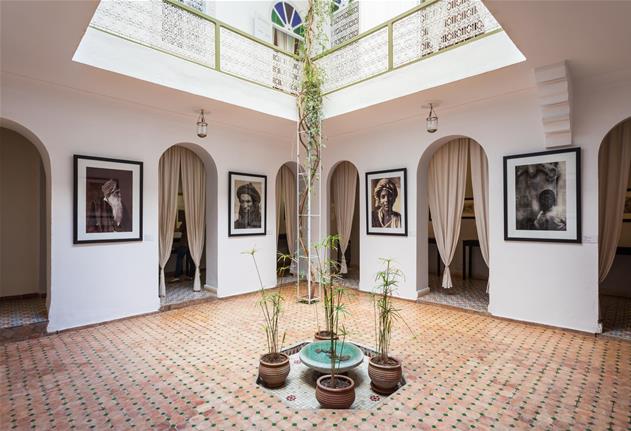
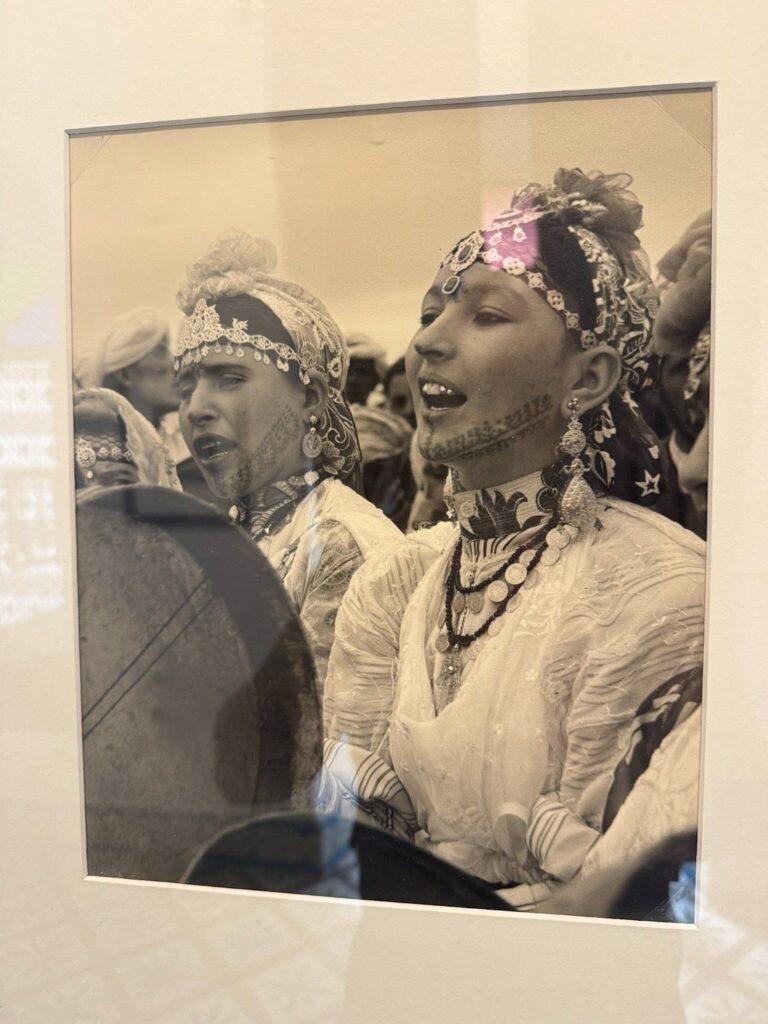
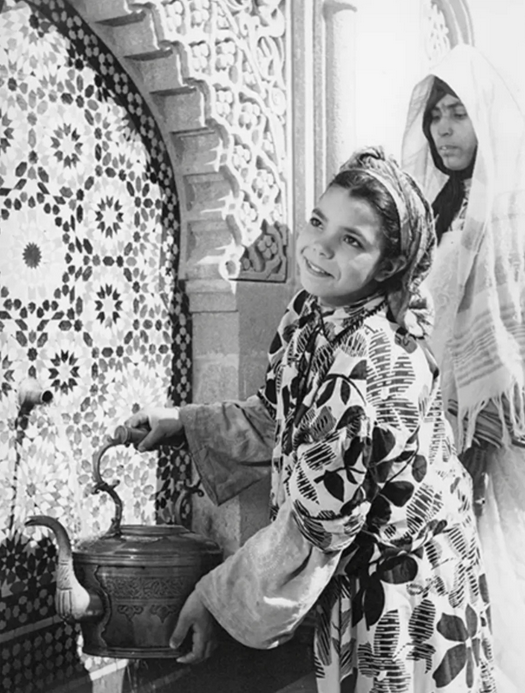
The museum focuses on historical photographs taken across Morocco from the late 19th and early 20th centuries. The images show faces, villages, ceremonies, landscapes, and everyday scenes, offering a rare glimpse into life before modern tourism and rapid urban change.
Many travelers tell us this visit helps them make sense of what they are seeing outside. Clothing styles, rural architecture, agricultural life, and social customs suddenly feel more familiar and grounded in history.
The rooftop terrace is simple, but it offers a quiet moment and a beautiful view over the Medina. For many guests, this becomes a natural pause after the visit.
🕰️ Time typically spent
Roughly 1 hour, including a pause on the rooftop terrace. Photography enthusiasts may spend 1.5 hours.
❤️ Who is most likely to enjoy it
Travelers interested in history, photography, and social context. It is especially rewarding for first-time visitors to Marrakech.
🕘 Opening times
Usually open daily from 9:30 a.m. to 7 p.m.
🎫 Admission tickets
Paid entry for adults: 50 MAD
Children under 12 years: Free admission.
Tickets are purchased at the entrance.
📍 Address & how to get there
46 Rue Bin Lafnadek, Rue Ahl Fes, medina. Slightly tucked away but not far from Medersa Ben Youssef. Using Google Maps and asking locals along the way is often helpful.
5. Museum of Moroccan Culinary Arts
This small museum highlights Moroccan food traditions, from cooking tools and techniques to the rituals surrounding hospitality. It was created to preserve and showcase the country’s rich culinary heritage, offering insight into both historical practices and contemporary cuisine.
It is not a long visit, but it adds depth to meals travelers are already enjoying. Many guests appreciate learning why certain dishes are associated with celebrations, seasons, or family life.
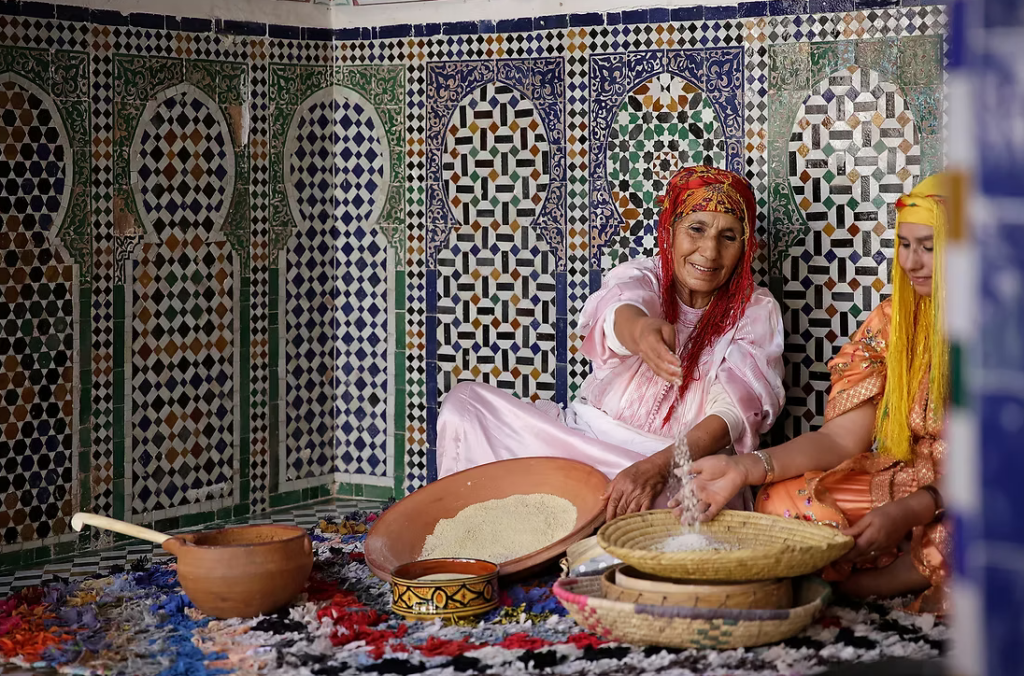
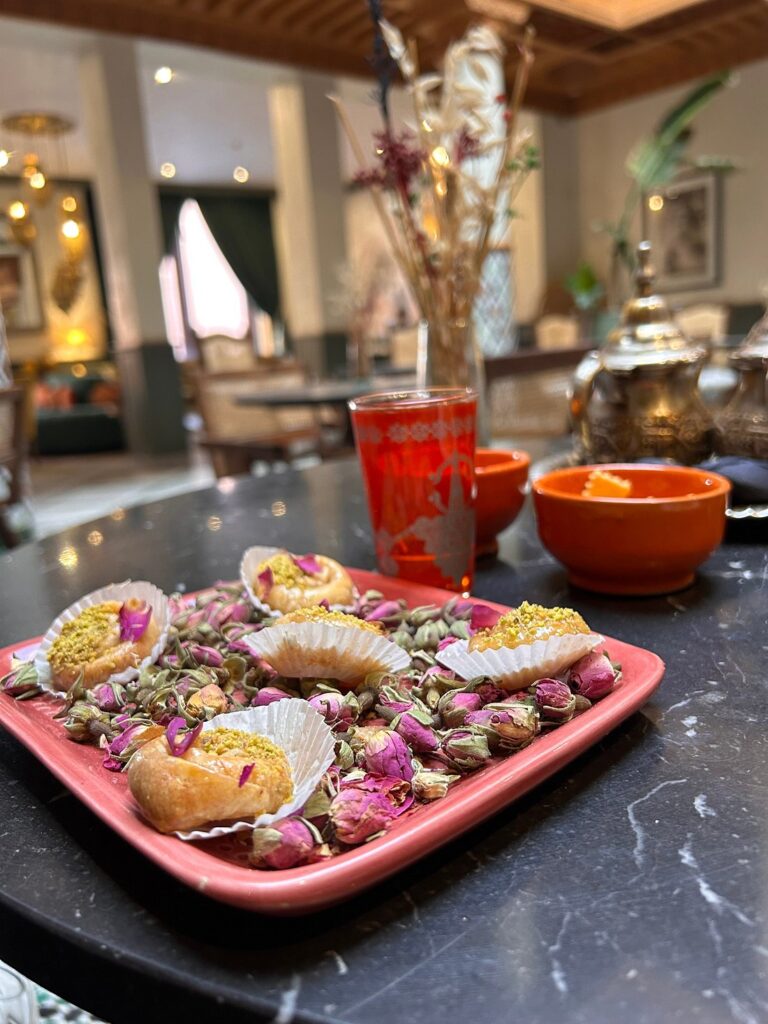
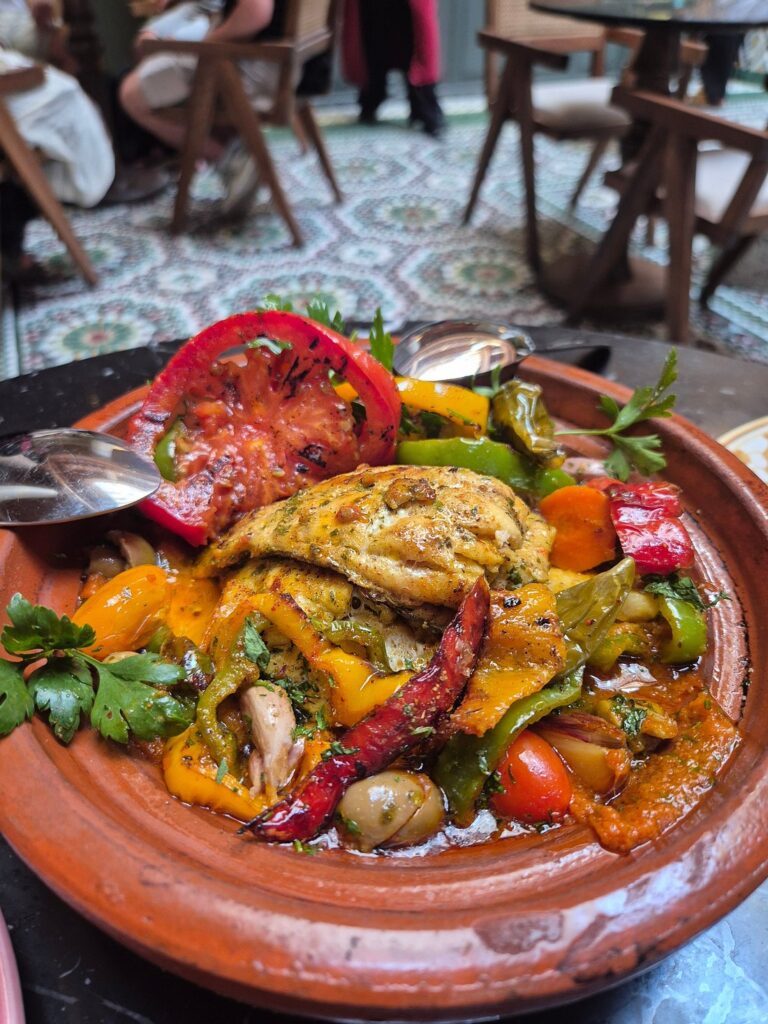
For food lovers and travelers interested in Moroccan cuisine, visiting this museum is a perfect complement to the best-selling Authentic Marrakech Food Tour or a Moroccan Cooking Class.
🕰️ Time typically spent
A short visit of 30–45 minutes, enough to see the exhibits and read a few panels, especially if combined with a cooking class or food tour.
❤️ Who is most likely to enjoy it
Food lovers and travelers curious about everyday Moroccan culture.
🕘 Opening times
Open daily from 9 a.m. to 8 p.m.
🎫 Admission tickets
Paid entry. 80 MAD.
Tickets are purchased on site.
📍 Address & how to get there
Rue Riad Zitoun el Jdid, medina. Walkable from central riads. Taxis can drop nearby.
6. Dar Si Said – Museum of Moroccan Arts and Crafts
Dar Si Said is one of those places where the setting quietly carries much of the experience. The museum is housed in a late 19th-century palace built for Si Said ben Moussa, a powerful minister at the end of the Alaouite period. Like many historic buildings in the medina, it has lived several lives before becoming a museum.
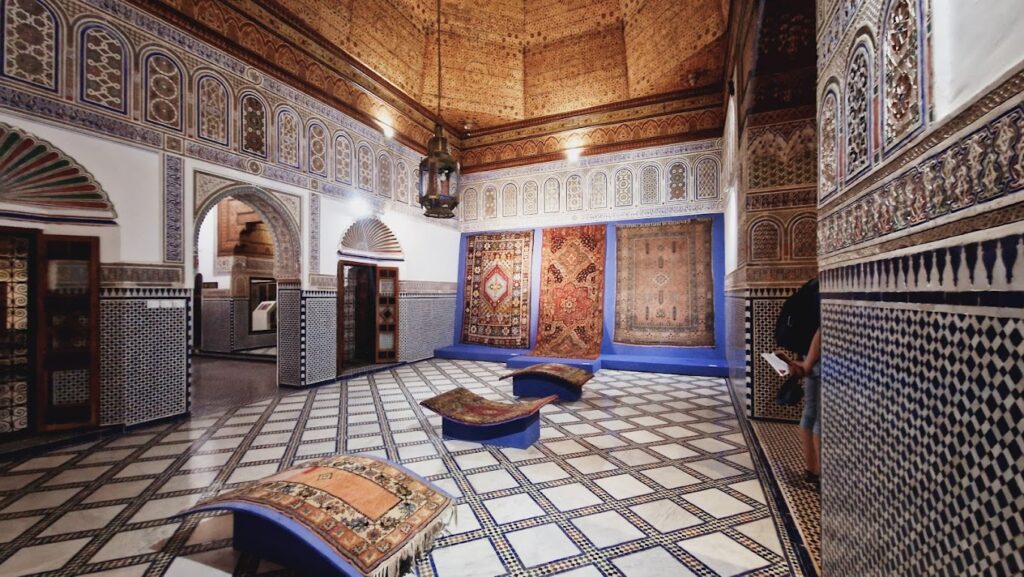
Today, the focus is on traditional Moroccan craftsmanship. Inside, you will find collections of carpets, woodwork, metal objects, jewelry, ceramics, and everyday tools from different regions of the country. The emphasis is on material culture rather than detailed storytelling.
From our experience, this is a museum where expectations matter. The displays are straightforward and sometimes sparse in explanation, but the objects themselves are authentic and varied. Visitors who enjoy observing textures, patterns, and regional differences tend to find it rewarding.
What often stands out most is the building. The carved ceilings, courtyards, and calm flow from room to room make it a pleasant place to wander, especially after time in the busy souks nearby.
🕰️ Time typically spent
When open, visitors generally spend 45 minutes to 1 hour, longer for those who enjoy browsing details in carpets, woodwork, and metalwork.
❤️ Who is most likely to enjoy it
Travelers interested in traditional crafts, design, and historic interiors. Especially appealing to visitors who enjoy browsing and observing rather than reading extensive explanations.
🕘 Opening times
⚠️ Dar Si Said Museum is currently temporarily closed for restoration work. At the time of writing, there is no confirmed reopening date.
🎫 Admission tickets
Paid entry.
Adults: 30 MAD
Children under 12 years: 10 MAD
Tickets are purchased at the entrance.
📍 Address & how to get there
Rue Riad Zitoun Jdid, not far from Bahia Palace. Easy to reach on foot from many riads in the southern area of the Medina, or by taxi to a nearby drop-off point.
7. Museum of Moroccan Elegance
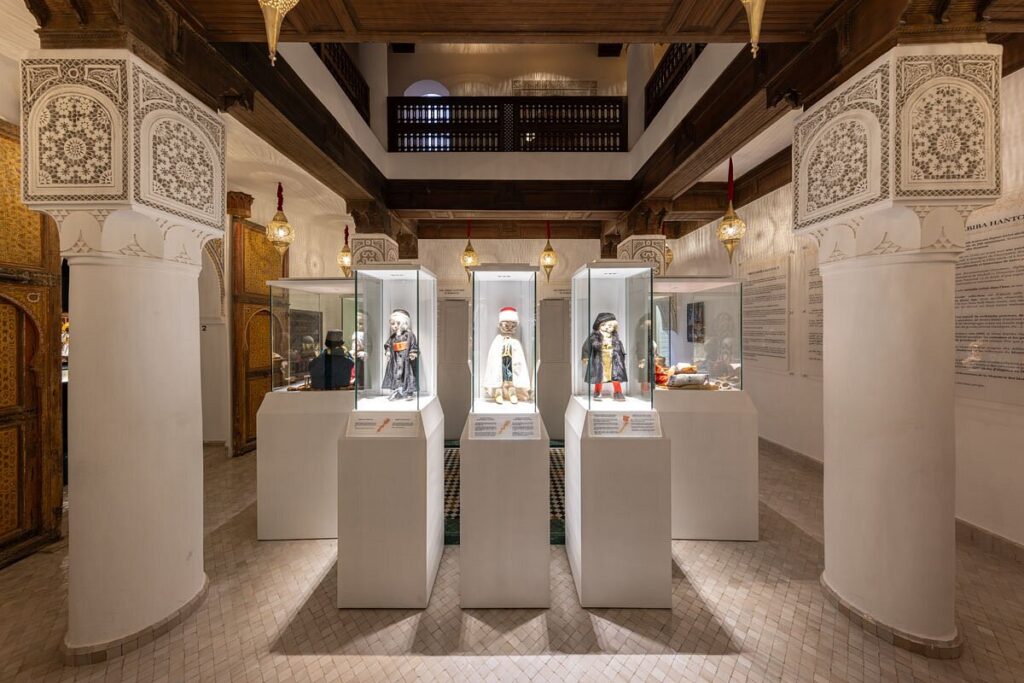
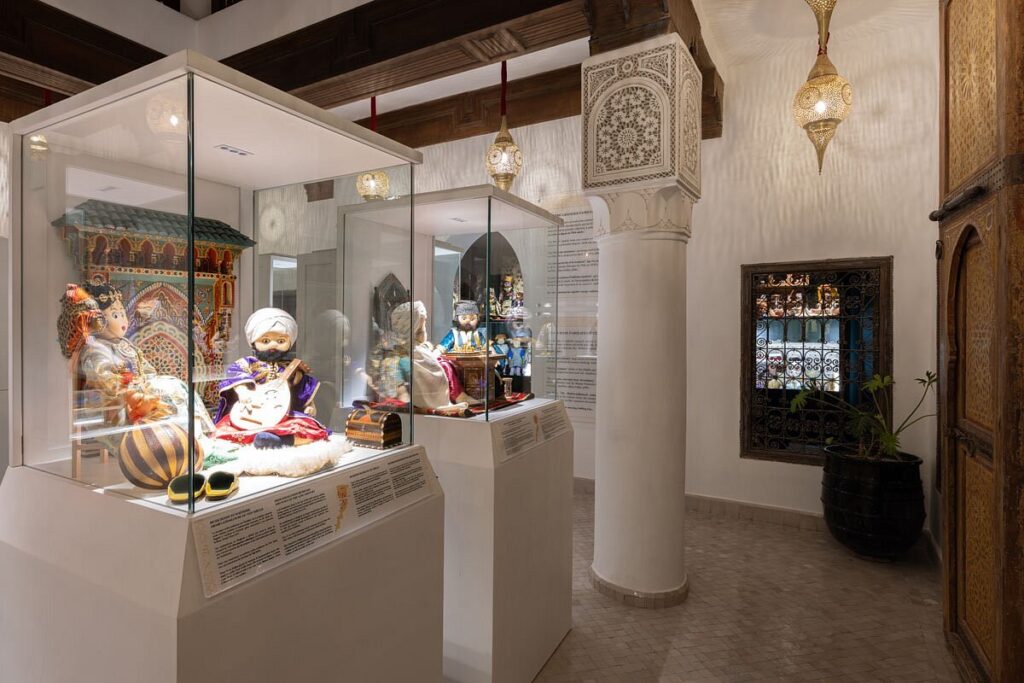
This museum explores Moroccan ideas of elegance through clothing, adornment, and the way appearance has traditionally communicated status, occasion, and identity.
The focus is largely on caftans, fabrics, jewelry, and accessories, along with visual references to how these were worn and presented. Rather than following a strict historical timeline, the museum emphasizes aesthetics and atmosphere. Displays are clean and visually engaging, though lighter on written explanation and historical depth.
From our experience, visitors who enjoy observing details, textures, and design tend to appreciate the visit most. Those looking for academic context or extensive background information may find it more limited.
The visit is relatively short, but it works well as a visual pause while exploring the medina.
🕰️ Time typically spent
A relatively short visit of 30–45 minutes is typical. Fashion or design enthusiasts may linger up to 1 hour.
❤️ Who is most likely to enjoy it
Fashion lovers, designers, and visually oriented travelers who enjoy style and presentation.
🕘 Opening times
Open daily from 10 a.m. to 7 p.m.
🎫 Admission tickets
Paid entry for adults: 50 MAD
Children under 12 years: Free admission.
Tickets are purchased on site.
📍 Address & how to get there
Rue Kaat Benahid, N° 5 Derb El Khamsi, Marrakech.
Located in the central medina area. Easily reached on foot while exploring nearby souks.
8. Museum of Music Mouassine
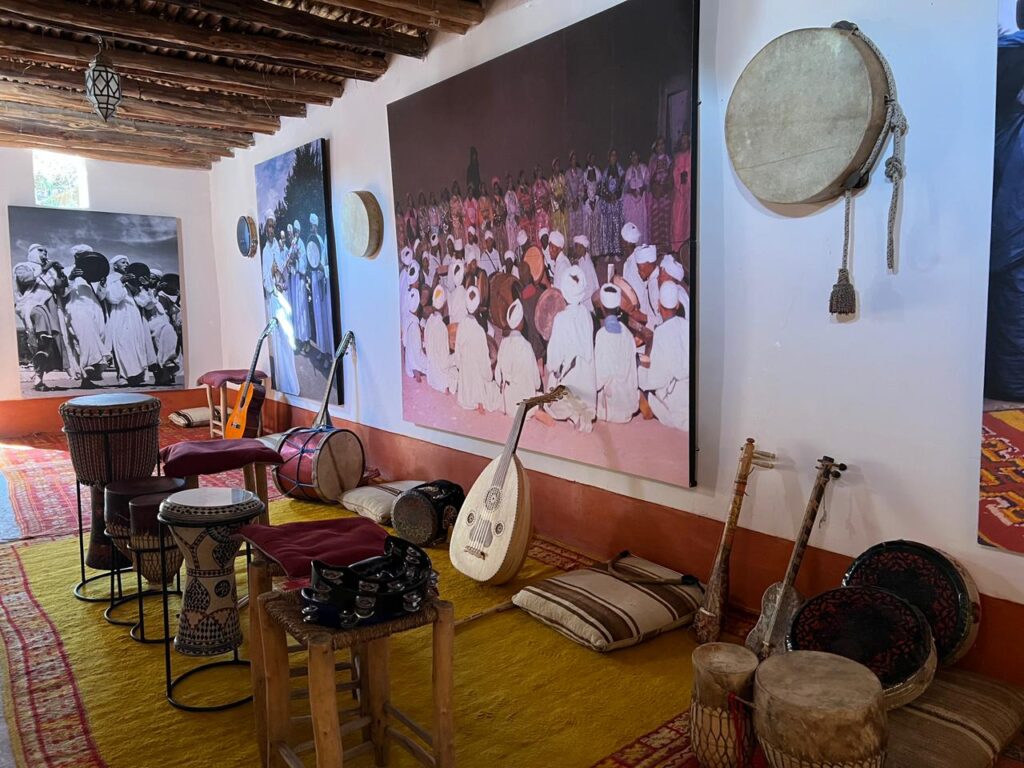
This museum is dedicated to Moroccan musical traditions, with a particular focus on classical, Andalusian, and spiritual music. It is housed in a restored historic building in the Mouassine neighborhood, an area that once played an important role in the cultural life of the city.
The collection includes traditional instruments, recordings, and visual material that introduce visitors to the rhythms and structures behind Moroccan music. Rather than overwhelming with detail, the museum offers a clear and approachable overview.
From our experience, many travelers are surprised by how much they enjoy this visit, even if they do not consider themselves especially interested in music. Hearing unfamiliar instruments and learning how music is tied to ceremony, poetry, and spirituality adds an unexpected layer to the city.
The museum is small and easy to navigate, making it a good stop between walks through the medina.
🕰️ Time typically spent
Most visitors spend 30–45 minutes, enough to browse the instruments and displays.
❤️ Who is most likely to enjoy it
Travelers curious about Moroccan culture beyond the visual, and those interested in music, rhythm, and intangible heritage.
🕘 Opening times
Usually open daily from 10 a.m. to 6 p.m.
🎫 Admission tickets
Paid entry.
Adults: 50 MAD
Tickets are purchased at the entrance.
📍 Address & how to get there
Mouassine district, medina. Best reached on foot while exploring the central medina, or by taxi to a nearby drop-off point.
9. Berber Museum (Musée Pierre Bergé des Arts Berbères)
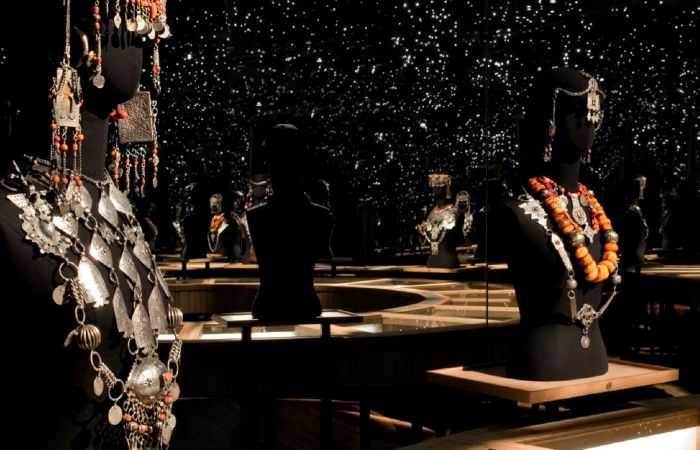
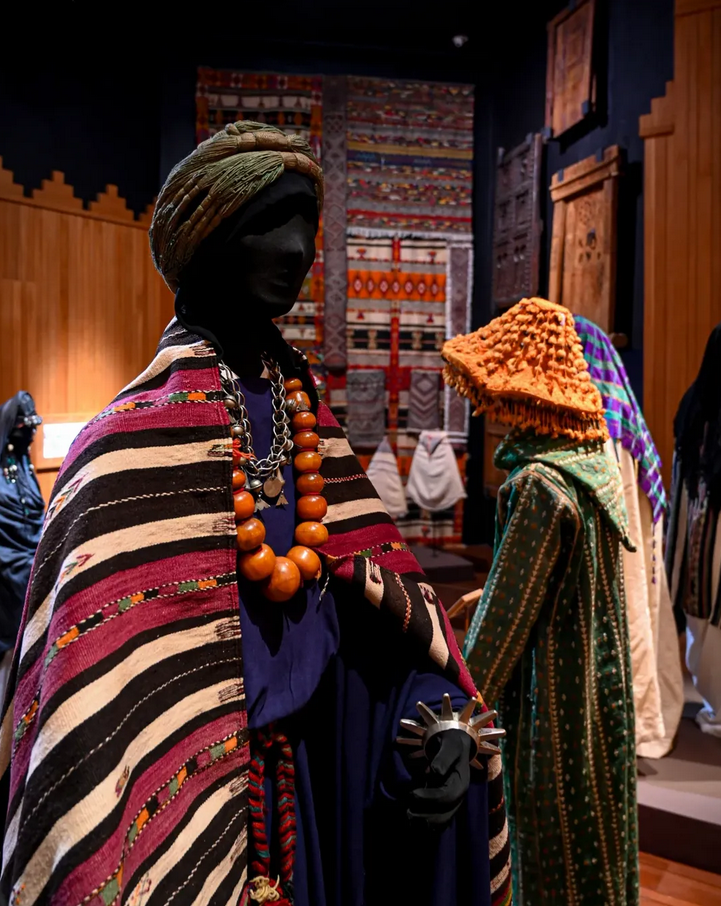
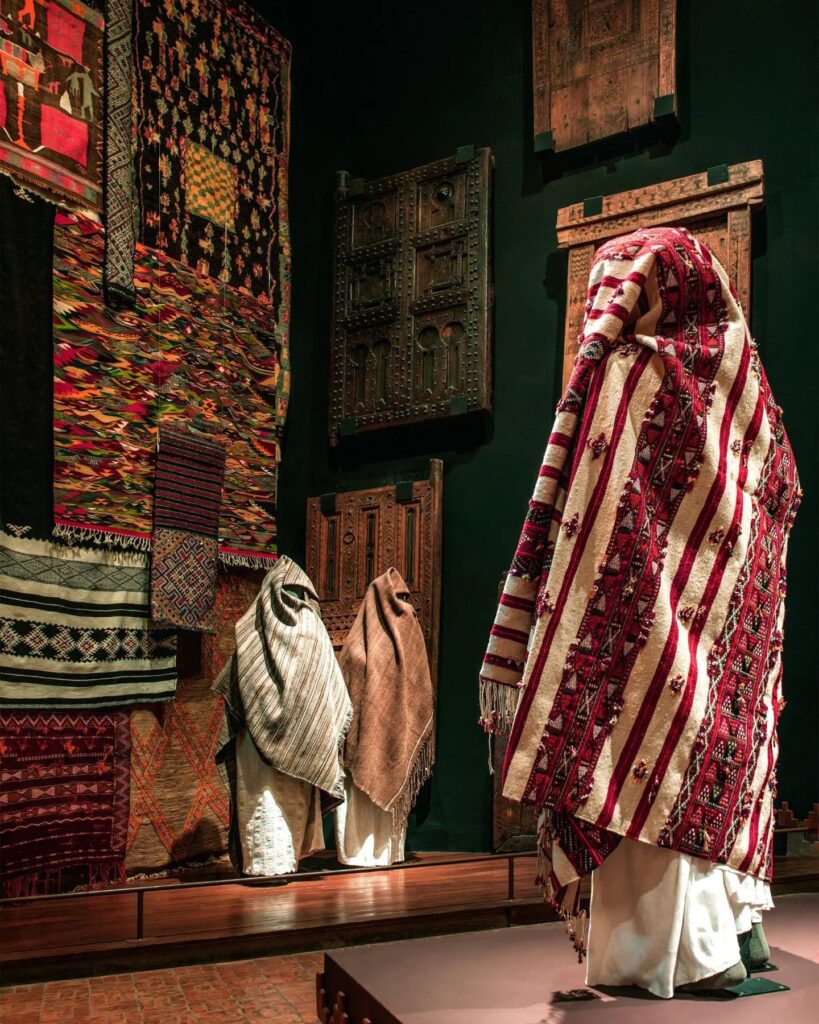
This museum offers one of the clearest introductions to Morocco’s Amazigh, often called Berber, cultures. It is located inside the Majorelle Garden complex and focuses on the material culture of Amazigh communities from across the country.
The collection includes jewelry, textiles, tools, costumes, and ceremonial objects, presented by region rather than as a single narrative. Many travelers are surprised to learn how diverse Amazigh cultures are, with distinct styles, symbols, and traditions depending on geography.
The museum is well curated and clearly explained. Labels are concise but informative, and the overall experience feels structured and intentional. Compared to some other museums in the medina, this one tends to feel more polished and accessible.
In practice, the visit works best when taken slowly. The objects are small and detailed, and visitors who rush through often miss what makes them special. Combined with time in the garden, it becomes a calm and rewarding cultural pause.
🕰️ Time typically spent
Around 45 minutes to 1 hour, especially if combined with a walk through Jardin Majorelle. Visitors who study the artifacts carefully may stay longer.
❤️ Who is most likely to enjoy it
Travelers interested in traditional cultures, symbolism, craftsmanship, and understanding Morocco beyond its imperial cities.
🕘 Opening times
Usually open daily from 8:30 a.m. to 6 p.m.
Last entry typically around 5:30 p.m.
🎫 Admission tickets
Paid entry.
Entry to the museum can only be purchased as a combined ticket with Jardin Majorelle.
Adults: 230 MAD (combined ticket)
Children: 130 MAD (Admission is free for children under 10 y.o)
Tickets must be purchased in advance through the official Majorelle website: https://tickets.jardinmajorelle.com/
📍 Address & how to get there
Inside Jardin Majorelle, Rue Yves Saint Laurent. Best reached by taxi from most parts of the city, about 10 to 15 minutes from the medina depending on traffic.
A different side of Marrakech ...
Marrakech is a city that can feel overwhelming at first, with its vibrant streets, crowded souks, and colorful riads.
These 9 museums offer a chance to slow down, reflect, and see another side of the city — quieter spaces where history, art, and culture are curated with care.
Visiting them isn’t about ticking boxes or rushing through; it’s about noticing details, appreciating stories, and sometimes being pleasantly surprised. For travelers who are curious and patient, each museum offers a different window into Marrakech and Morocco. And together, they help paint a richer, more layered picture of a city that is endlessly fascinating.
Even a few hours spent wandering these spaces can leave a lasting impression, long after the bustling streets have faded behind you.