Before planning their trip, most travelers have one question in mind: "When is the best time to visit Marrakech?" The truth is, there’s no single answer that fits everyone. The city’s charm shifts with the seasons, and the “best” time depends on what you want to experience, whether it’s the bustling energy of the medina, a quiet escape, or ideal weather for exploring the desert. Each season gives Marrakech a slightly different personality, from the calm of winter mornings to the lively pulse of spring markets and the sun-drenched intensity of summer days.
Marrakech is a year-round destination, yet every season brings its own distinct flavor. Winters are crisp and serene, perfect for wandering the medina or enjoying a cozy rooftop terrace. Spring and autumn offer mild temperatures and blooming gardens, ideal for sightseeing and outdoor excursions. Even summer has its appeal, especially for travelers who don’t mind the heat and want to experience the city at its most vibrant. With a little preparation, any time of year can feel magical and rewarding.
In this guide, we explore Marrakech throughout the year, breaking down each season in detail. You’ll learn what to expect in terms of weather, crowds, and prices, along with the activities best suited to each period. Whether you are planning sightseeing adventures, desert trips, romantic escapes, or simply want to soak up the city’s atmosphere, this guide will help you match your timing to your travel style. By the end, you’ll have a clear sense of Marrakech’s rhythm, the ebb and flow of its streets, and the moments when the city feels most alive, so you can choose the perfect time to visit and plan your trip with confidence.
Quick Summary (TL;DR): Best Time to Visit Marrakech
Spring (March to May) and Autumn (September to November) are the sweet spots, with warm days, comfortable temperatures, and the best conditions for exploring the city and beyond. First time visiting? Go in spring.
Summer gets very hot, often reaching 40°C, but evenings are lively and prices are lower. Winter is mild, quieter, and underrated, just bring layers for cooler nights.
Honest truth: there's no bad time to visit Marrakech if you know what to expect.
Understanding Marrakech’s Climate
To understand when Marrakech feels most comfortable, or most intense, it helps to first understand the city’s climate and how it shapes daily life. Unlike coastal destinations, Marrakech has a dry, inland climate, with more pronounced temperature swings between seasons and even between day and night. This daily rhythm often matters just as much as the season itself.
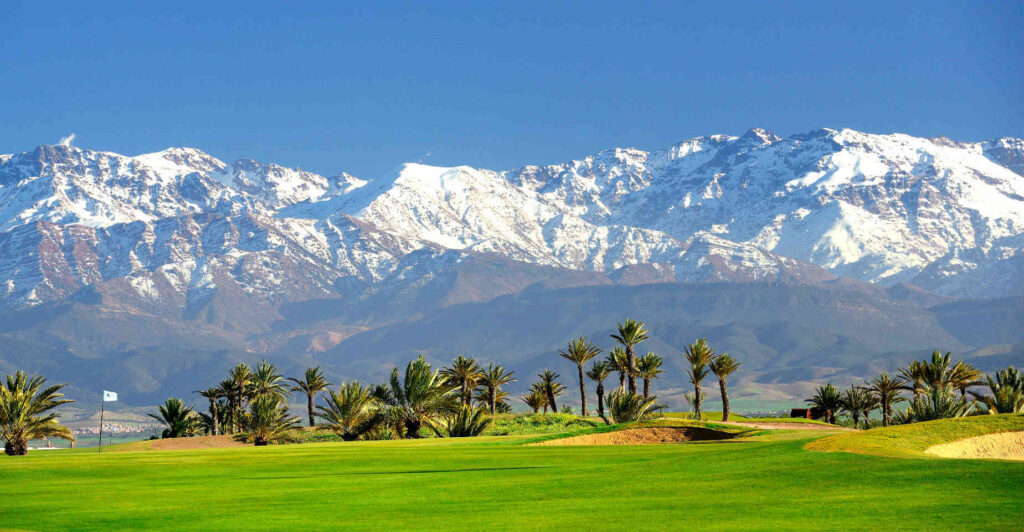
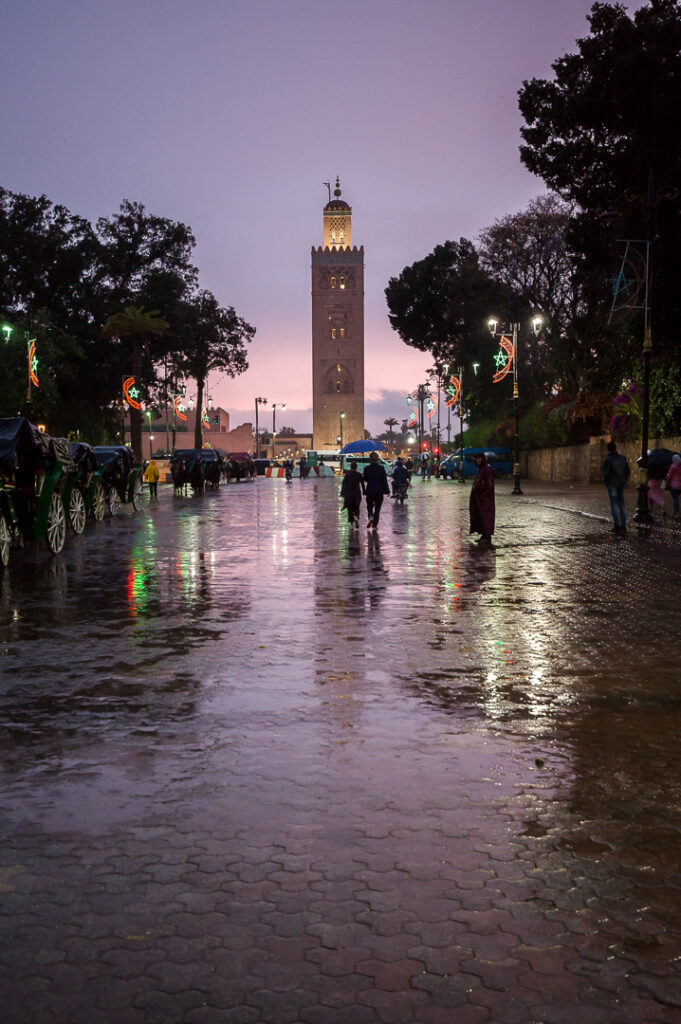
Marrakech sits at a natural crossroads between the Atlas Mountains and the edge of the desert. This position gives the city its distinctive character: abundant sunshine, very low humidity, and clear skies for much of the year. Summers are hot and dry, while winters are generally mild during the day but noticeably cooler once the sun goes down. Rain is relatively rare and usually falls between November and February, often in short bursts rather than prolonged periods.
What many travelers don’t expect is how different the temperature can feel depending on the time of day. The sun here is strong, even outside of summer. A spring afternoon can feel quite warm in direct sunlight, especially when walking through open courtyards or wide squares. At the same time, mornings and evenings, particularly in winter, can be cool enough to require a jacket.
Here are two things that tend to surprise visitors most:
The intensity of the sun. Even when the air temperature seems comfortable, direct sunlight can feel powerful. Shade makes a noticeable difference, and the medina’s narrow streets, gardens, and riad courtyards often provide welcome relief.
The day-to-night temperature shift. Marrakech cools down quickly after sunset, especially in winter and early spring. It’s not unusual to have warm afternoons followed by chilly evenings, which is why layers are always a smart idea.
Just as important as the season is the city’s daily rhythm. In the hotter months, life slows around midday and early afternoon, and many locals retreat indoors to rest. Then, as the sun lowers, the city comes alive again. Evenings are when Marrakech feels most social, with families strolling, terraces filling, and the medina regaining its steady hum. For travelers, adjusting to this rhythm—starting earlier, resting at midday, and embracing the evenings—often makes the experience far more comfortable and enjoyable.
Breakdown by Season
🌸 Spring (March – May)
At a glance
- Temperatures: Comfortable and warm, typically 20–30°C (68–86°F) during the day, cooler in the evenings
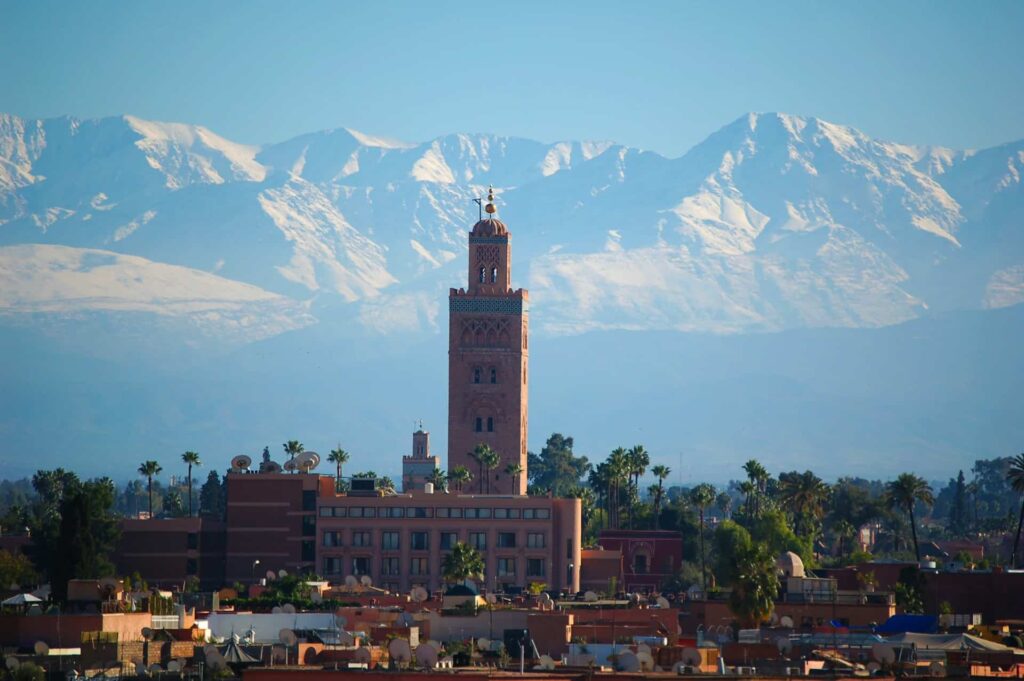
- Atmosphere: Gardens in bloom, clear skies, snow still visible on the Atlas Mountains
- Crowds: High season, but rarely overwhelming with proper planning
- Prices: Moderately higher, especially for well-located riads and boutique hotels
- Best for: Sightseeing, walking tours, day trips, desert excursions, and first-time visitors
- Daily comfort: Ideal balance—warm enough to enjoy terraces, cool enough to explore all day
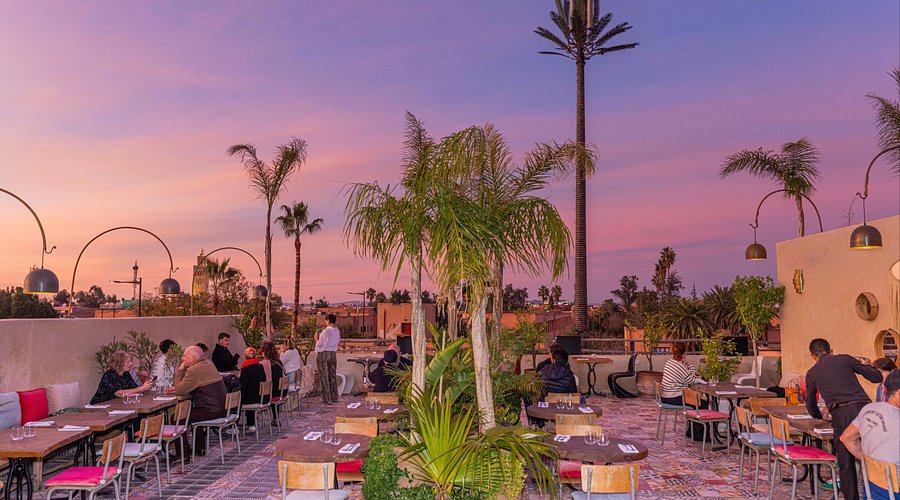
Spring is often the season when Marrakech feels most open and welcoming. The intensity of winter’s cool nights fades, but the full force of summer heat hasn’t arrived yet. Days are warm without being exhausting, and evenings settle into a gentle coolness that makes rooftop dinners and evening strolls especially enjoyable.
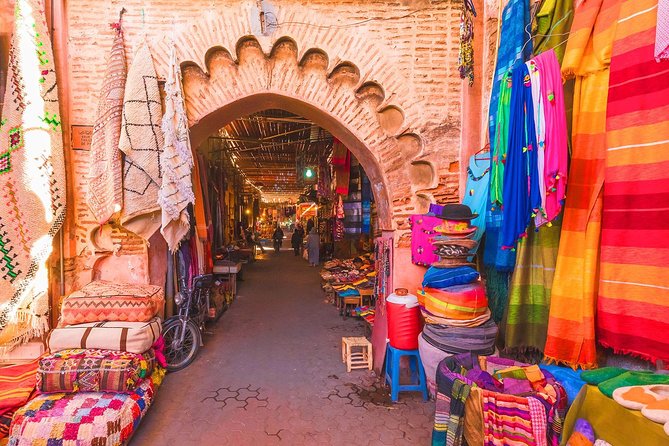
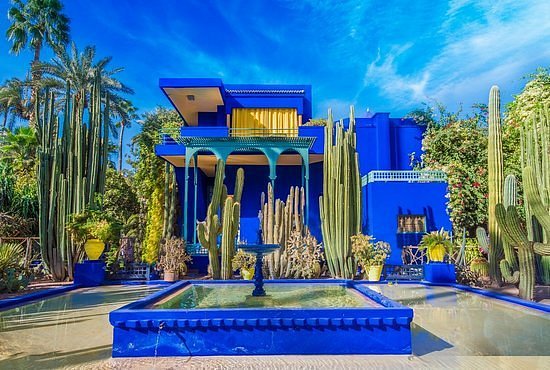
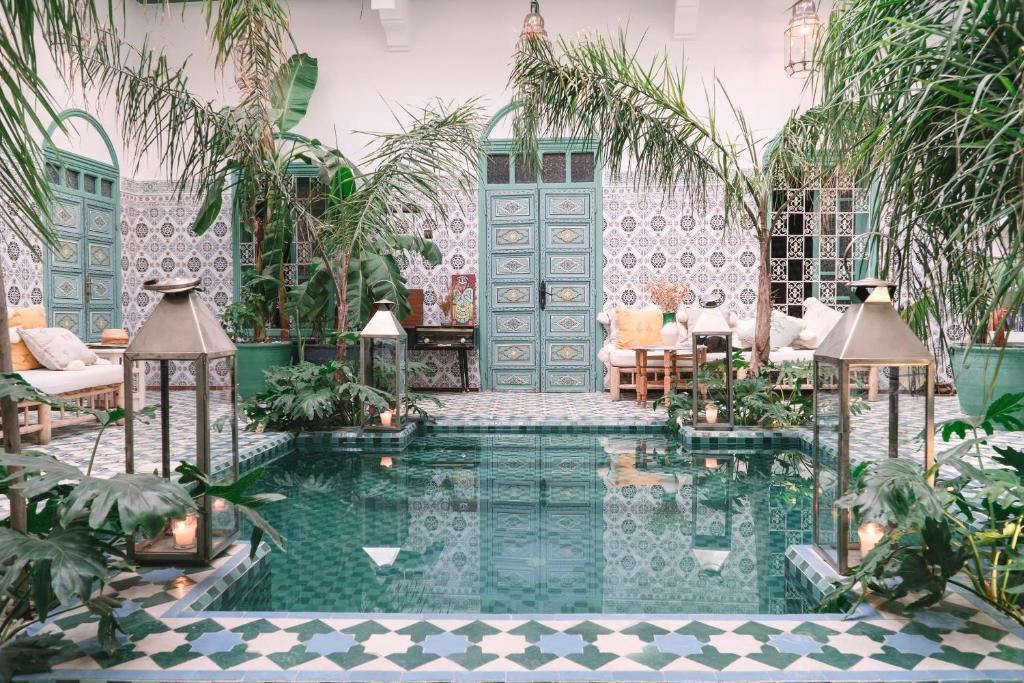
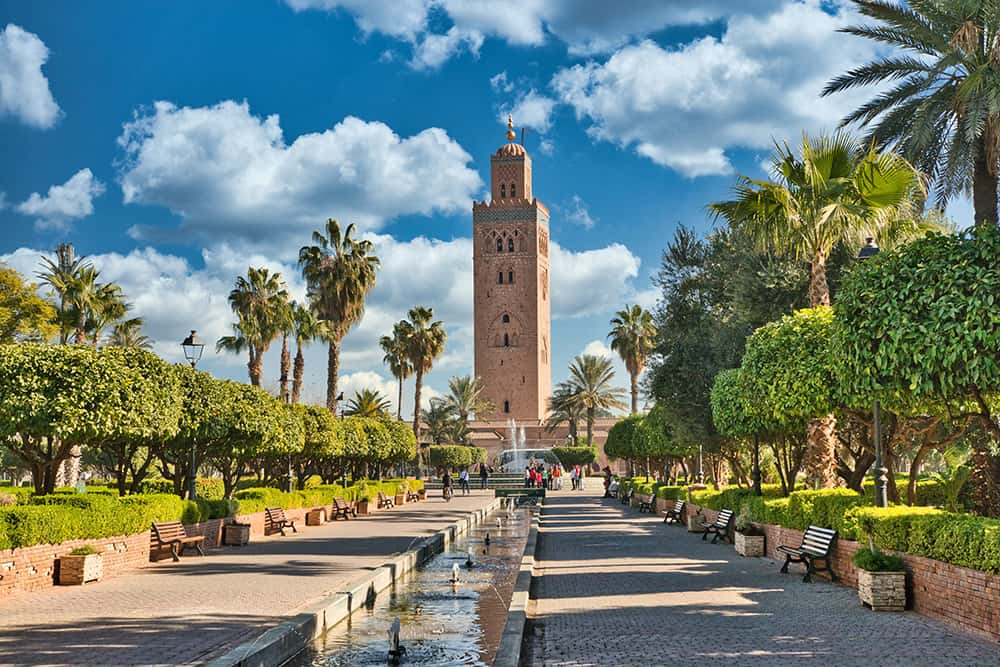
This is when the city reveals some of its softer edges. Bougainvillea spills over riad walls, palm trees and orange blossoms bring color to courtyards, and gardens feel alive again after winter. Walking through the medina becomes a pleasure rather than something to pace carefully. You can wander for hours, moving between shaded alleys and sunlit squares, stopping for fresh juice near Jemaa el-Fnaa or stepping into the quiet calm of historic sites like Bahia Palace without feeling rushed by the heat.
From our experience, this is also the season when travelers naturally slow down and stay outside longer. Mornings begin comfortably, afternoons remain manageable, and evenings carry a relaxed, social energy. Rooftop terraces fill gradually around sunset, and the city feels lively without being chaotic.
Spring is popular, and you will notice more visitors, especially in April and early May. Certain riads book well in advance, and well-known landmarks can be busy during peak midday hours. But in practice, the crowds rarely overshadow the experience. With an early start to the day and a gentler pace in the afternoon, most travelers find the balance very comfortable, and the rhythm easy to enjoy.
It is also one of the best seasons for exploring beyond the city. Day trips to the mountains, visits to valleys and villages, and overnight desert journeys are far more comfortable in spring conditions. The weather allows for longer drives, outdoor meals, and unhurried exploration without the fatigue that extreme heat can bring.
If you are visiting Marrakech for the first time, or if your priority is to experience the city fully—walking, discovering, sitting, observing—spring offers a natural ease that makes everything feel more accessible.
☀️ Summer (June – August)
At a glance
- Temperatures: Hot and dry, typically 35–42°C (95–108°F) during the day, cooler and pleasant in the evenings
- Atmosphere: Slower daytime rhythm, vibrant and lively nights
- Crowds: Fewer daytime visitors; evenings remain active and social
- Prices: Often more flexible, especially in June and September
- Best for: Travelers comfortable with heat, rooftop dining, poolside relaxation, cultural immersion
- Daily comfort: Best enjoyed with an adjusted schedule: early mornings, midday rest, activity after sunset
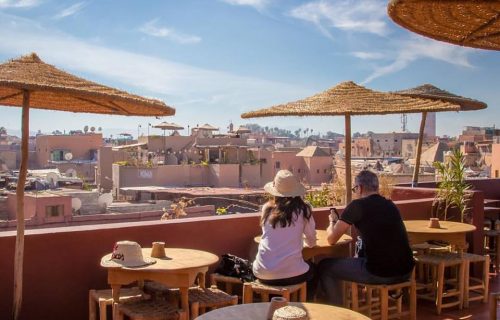
Summer in Marrakech is defined by the sun. The heat is real, especially in July and August, and it shapes how the city moves. By early afternoon, streets quiet down, shutters close, and life retreats indoors. Many travelers are surprised by this pause, but it is simply the city conserving its energy. Then, as the sun lowers, Marrakech gradually reawakens.
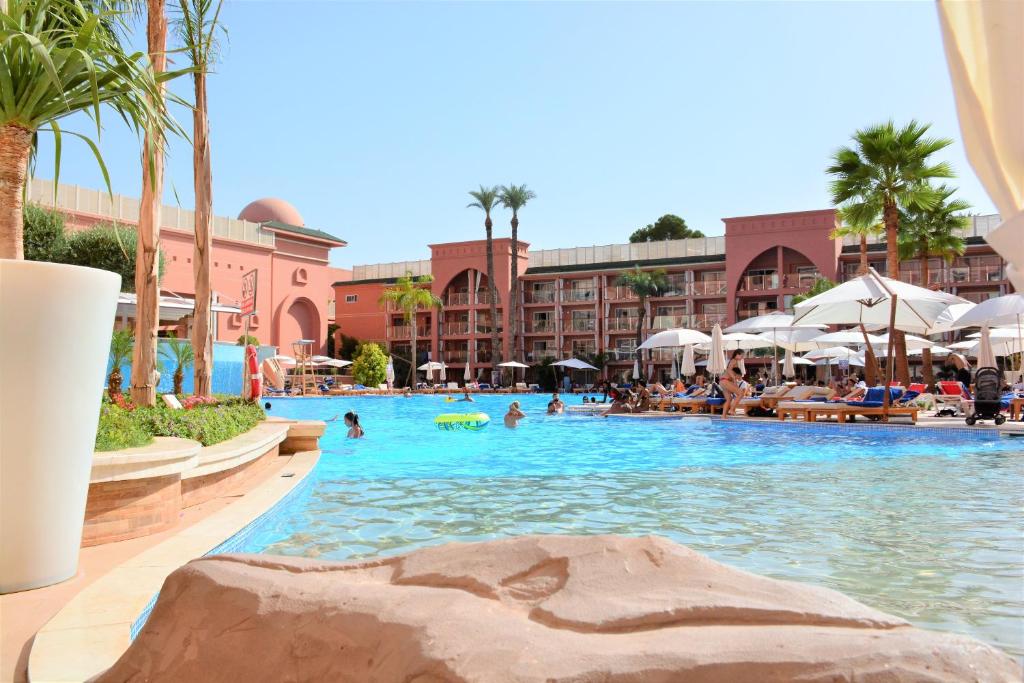
From our experience, summer works best when you follow the local rhythm. Early mornings are beautiful and calm, perfect for walking through the medina, visiting gardens, or exploring historic sites before the heat builds. By midday, most visitors shift naturally toward slower moments: resting in a shaded riad courtyard, enjoying a long lunch, or cooling off by a pool.
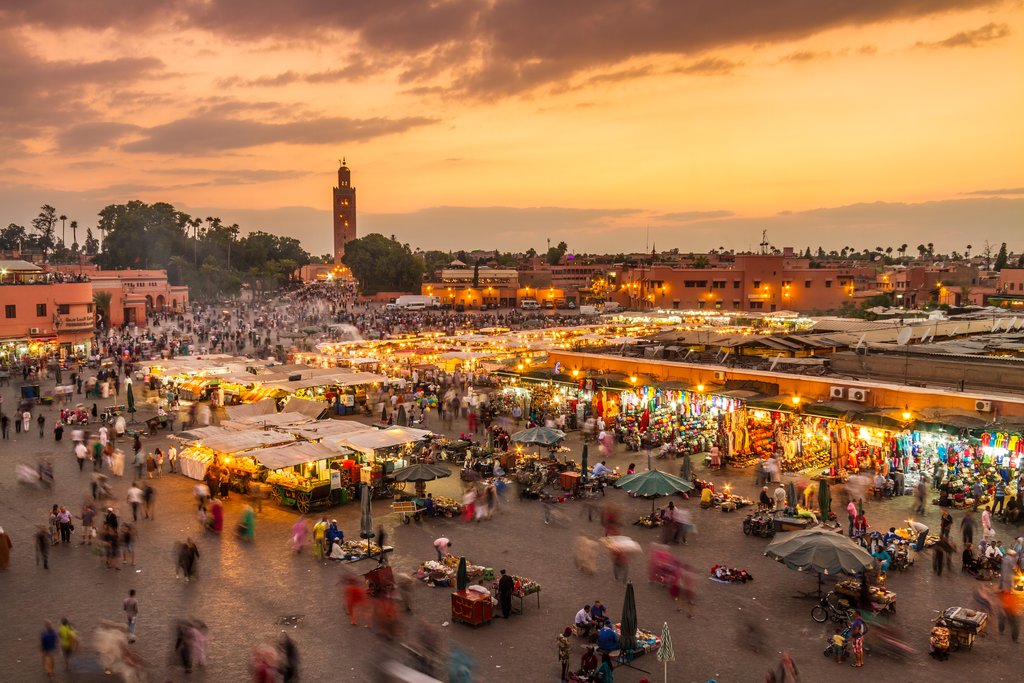
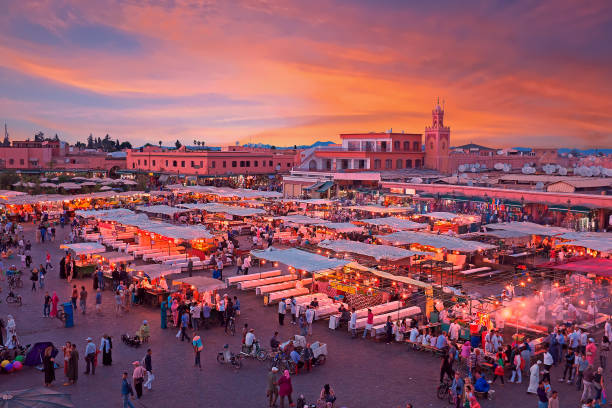
What makes summer special, and often unexpectedly enjoyable, is the evening atmosphere. As temperatures ease, the city fills with life again. Jemaa el-Fnaa becomes especially animated, with food stalls, musicians, and families gathering in the open air. Rooftop terraces stay busy late into the night, and there is a shared sense of relief and renewed energy once the heat fades.
Many travelers also notice that summer brings a more local feeling. With fewer international visitors during peak heat, daily life feels less hurried. Restaurant reservations are easier to secure, and there’s more flexibility with accommodations, particularly outside the peak European holiday weeks.
That said, summer requires realistic expectations. Long walks under direct sun in the early afternoon can be exhausting, and certain day trips, especially into desert regions, are less comfortable during this period. Travelers who embrace a slower pace, balance activity with rest, and prioritize mornings and evenings often find summer deeply rewarding.
It becomes less about doing everything and more about experiencing Marrakech in a quieter, more intimate way: lingering over meals, watching the light shift across the rooftops, and enjoying the city when it breathes more slowly.
🍂 Autumn (September – November)
At a glance
- Temperatures: Warm and comfortable, usually 22–30°C (72–86°F) during the day, cooler evenings
- Atmosphere: Balanced, steady energy across the city
- Crowds: Moderate to high, but generally manageable
- Prices: Similar to spring, especially in October
- Best for: Sightseeing, desert trips, mountain excursions, repeat visitors
- Daily comfort: Very good for walking and full-day exploration
Autumn is often considered one of the most satisfying times to visit Marrakech. The extreme heat of summer fades, but the city retains its brightness and clear skies. Days are warm without being oppressive, and evenings are pleasant enough for long dinners outdoors.
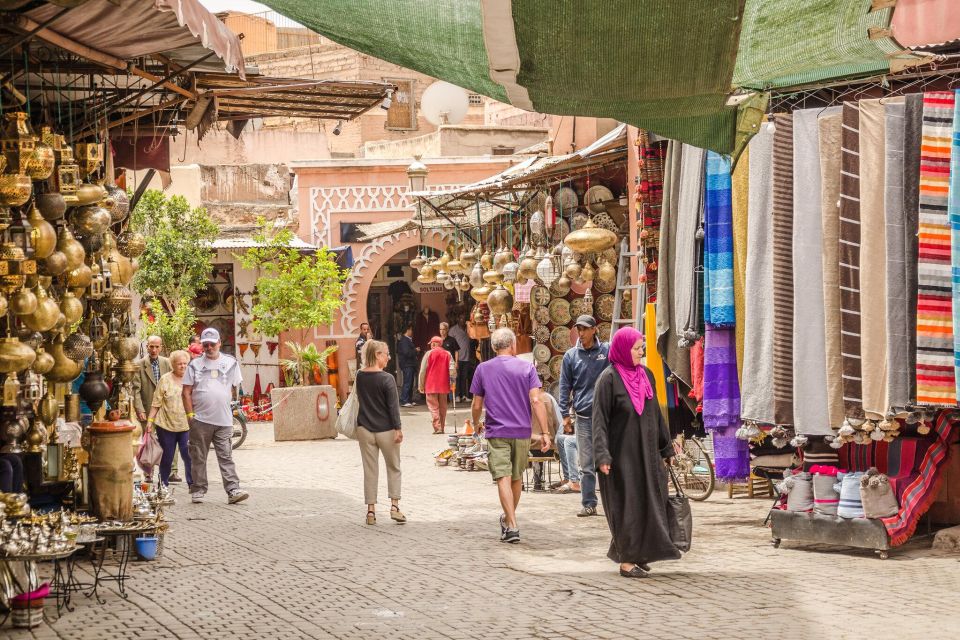
October in particular feels exceptionally well balanced. You can spend hours exploring the medina without constantly seeking shade or worrying about hydration. Gardens remain vibrant, and the light softens slightly, giving the city a warm, inviting glow that photographers especially appreciate.
Crowds return after summer, but they tend to spread out naturally. Major sites are active, restaurants are lively, yet the atmosphere rarely feels overwhelming. Travelers visiting in autumn often comment on how easy it feels to move through the city.
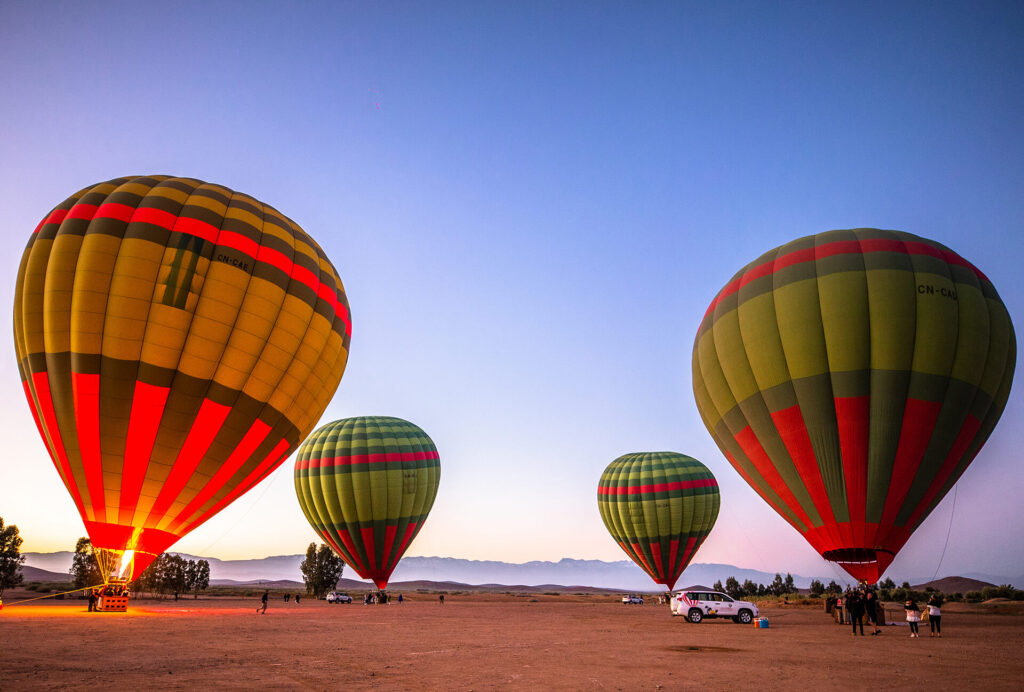
This is also an excellent season for day trips. The Atlas Mountains are accessible and comfortable for walking, and desert excursions are far more enjoyable than in peak summer. Long drives feel manageable, and evenings in the desert are cool but not harsh.
If you are seeking strong overall conditions without the full intensity of spring’s peak demand, autumn is a very reliable choice. October does see increased demand and higher occupancy, but it rarely feels overwhelming on the ground. Overall, the season offers comfort, energy, and flexibility in equal measure.
❄️ Winter (December – February)
At a glance
- Temperatures: Mild days around 16–20°C (61–68°F), cold nights that can drop near 5°C (41°F)
- Atmosphere: Calm, slower pace, clear skies
- Crowds: Low to moderate, depending on holiday periods
- Prices: Often lower outside of Christmas and New Year
- Best for: Quiet exploration, cultural experiences, photography, relaxed stays
- Daily comfort: Pleasant during the day, requires layers in the evening
Winter is often misunderstood. Marrakech does not experience harsh winters, but it is cooler than many travelers expect. Daytime conditions are usually comfortable for walking, with many clear blue skies, though some days can be cloudy or overcast—and rainy days, while infrequent, can make exploring the medina less pleasant. The sun is present, but without the intensity of summer.
What surprises many visitors most is the drop in temperature after sunset. Traditional riads can feel cool at night, and rooftop dinners require a warm layer. Being prepared with appropriate clothing makes all the difference.
The advantage of winter is space. The medina feels calmer, historical sites are easier to explore without crowds, and the overall pace is slower. It is a good time for travelers who enjoy observing daily life, taking their time in museums, or lingering over tea without feeling rushed. That said, the last week of December and the first few days of January see a surge of visitors, so streets, markets, and popular riads can feel much busier during this short peak period.
Winter also works well for cultural activities. Cooking classes, hammams, guided walks, and artisan workshops feel especially comfortable without heat to manage. Desert trips can be beautiful during the day, with clear skies and dramatic light, though nights in the Sahara can be very cold. Day trips to the Atlas Mountains, however, are best avoided on rainy days, when trails can become slippery and visibility limited.
If you value a quiet atmosphere, softer tourism flow, and a more reflective side of Marrakech, winter has its own subtle charm. It may not be the warmest season, but for many travelers, it feels surprisingly intimate and authentic.
📅Month-by-Month Breakdown + Weather Table
Scroll to see full table →
| Month | Avg High | Avg Low | Rain (days) | Sunlight (hrs) | Notes |
|---|---|---|---|---|---|
| January | 18°C | 5°C | 5–6 | 9 | Quiet medina, calm streets, ideal for photographers and reflective walks. Nights can be chilly—layers recommended. Some riads have limited heating. |
| February | 19°C | 6°C | 4–5 | 10 | Increasing daylight and warmer afternoons. Gardens begin to bloom. Fewer tourists than spring. Early risers can enjoy medina walks before the sun warms up. Desert trips remain manageable but cold at night. |
| March | 22°C | 8°C | 3–4 | 11 | Blooming gardens and palm trees. Days are comfortable for walking and sightseeing tours. Streets gain life as cafés reopen for terrace seating. A great month for first-time visitors. |
| April | 25°C | 10°C | 2–3 | 12 | Spring at its peak. Gardens, riads, and outdoor markets are colorful and lively. Mornings and evenings are particularly pleasant. Crowds grow—advance bookings recommended for popular riads. |
| May | 28°C | 13°C | 1–2 | 13 | Warm but not oppressive. Perfect for walking tours, Atlas day trips, and desert excursions. Medina is busy but manageable. Sun protection advised for midday explorations. |
| June | 33°C | 17°C | 0–1 | 14 | Summer heat begins. Mornings and evenings are best for sightseeing. Midday is ideal for pool breaks or shaded cafés. Rooftop terraces come alive at sunset. Desert trips start to get hot. |
| July | 38°C | 21°C | 0 | 14 | Peak summer. Very hot during the day—most locals stay indoors. Early morning excursions work well. Evenings are lively, perfect for markets and terraces. Desert trips can be extreme; caution advised. |
| August | 40°C | 22°C | 0 | 13 | Hottest month. Midday walking or outdoor tours are challenging. Adjust schedule to early morning or evening. Fewer tourists during the day means quieter medina streets. Rooftops and night markets are most enjoyable. |
| September | 36°C | 20°C | 1 | 12 | Heat starts to ease. Early mornings and late afternoons are comfortable for sightseeing. Crowds return as schools reopen in Europe. Great month for desert trips and Atlas Mountain day trips. |
| October | 30°C | 16°C | 2–3 | 11 | Pleasant, warm days with cool evenings. Excellent for full-day medina walks, gardens, photography and sightseeing. Popular month—plan accommodations early for weekends. |
| November | 24°C | 11°C | 3–4 | 10 | Mild weather, quieter streets than October. Great for photography, medina wandering, cultural activities, exploring historical sites, and enjoying cafés. Desert trips remain comfortable. Some rainy days—bring light waterproof layers. |
| December | 19°C | 6°C | 4–5 | 9 | Calm, reflective city atmosphere. Days are mild for walking; nights can be cold. Perfect for cultural immersion, cooking classes, and relaxed exploration. Lower prices outside holiday periods. Tourism spikes at Christmas and New Year. |
Best Time to Visit Marrakech by Traveler Type
Choosing when to visit Marrakech depends also on what kind of experience you’re seeking. From our experience, these categories capture most travelers’ priorities:
Budget-conscious travelers: Summer (June–August) generally offers the lowest accommodation rates outside the peak European holiday weeks. While daytime heat can limit some activities, evenings are cooler and lively, and with careful planning, travelers can enjoy the city more affordably.
Sightseeing and cultural immersion: Spring (March–May) and autumn (September–November) are ideal. Comfortable temperatures make it easy to wander the medina, explore historical sites, and enjoy gardens without being slowed by heat or winter chill. Mornings and evenings are especially pleasant for photography and long walks.
First-time visitors: Spring is often the safest bet. The city feels lively but not overwhelming, gardens are in bloom, and day trips to the Atlas Mountains or the desert are comfortable. This period provides a full, well-rounded experience of Marrakech without extreme weather challenges.
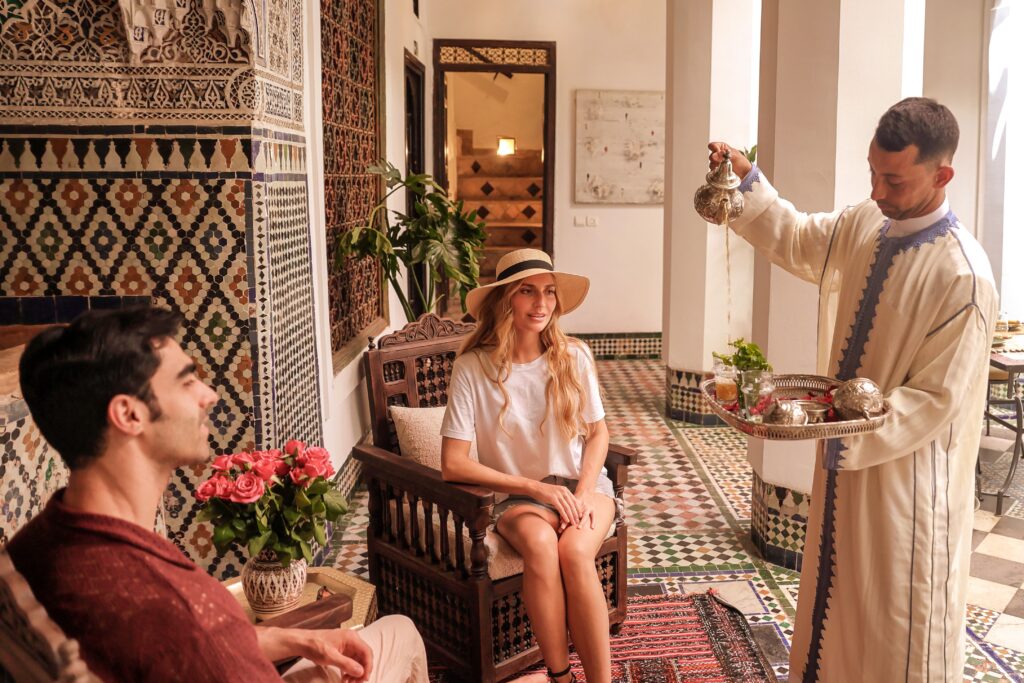
Luxury or pampered stays: Spring and autumn offer excellent conditions for rooftop terraces, hammams, and fine dining. Even summer evenings can be enjoyable if you prefer a vibrant night-time scene, but daytime activities should be paced carefully.
Honeymoon or romantic travel: Spring and autumn again stand out, with mild temperatures, beautiful light, and a calm but vibrant city rhythm. Winter evenings can also feel intimate and quiet, which some couples love, though layers are needed to stay comfortable outdoors.
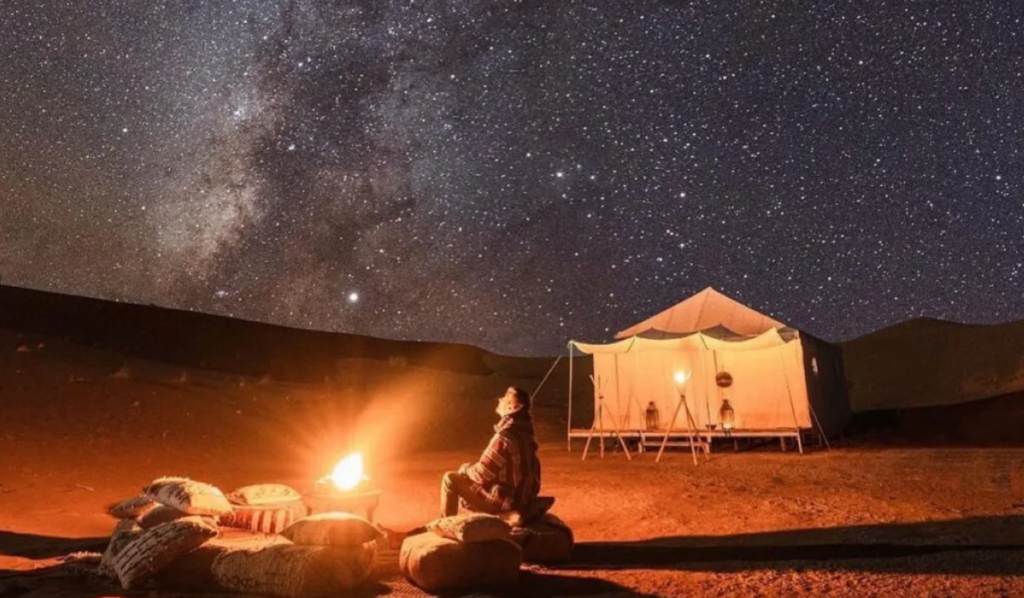
Desert trips and adventure travel: March–May and September–November are optimal. Daytime temperatures are manageable for long drives, camping, or trekking, and nights are cooler without being freezing. Summer can be extreme, and winter nights in the Sahara are very cold.

Best Time to Visit Marrakech by Tourist Crowds
Crowds can shape your experience just as much as weather. From our years of guiding travelers, we’ve noticed clear patterns:
- Peak periods: The highest influx of international visitors occurs during spring (April–May), autumn (September–October), and the holiday window from December 20 to January 5. During these times, the medina is lively from morning to night, markets are bustling, and terraces fill quickly, and major sites see steady traffic. Early planning for accommodations and sightseeing is essential.
- Shoulder seasons: February and late March/November offer a quieter alternative while still maintaining pleasant weather. Streets are active but never overwhelming, making these months ideal for travelers who want a balance of comfort and city energy, without the heavier crowds.
- Low season: Summer (June–August) sees the fewest tourists, primarily due to the high daytime temperatures. Daytime medina streets are often quiet, shops and cafés may be slower, but evenings regain vibrancy as locals and travelers gather in squares and on rooftops. For those comfortable with heat, this period can feel surprisingly intimate.
- Special timing – Ramadan (2026: February 18–March 20; 2027: February 8–March 10): During Ramadan, tourist activity tends to be lighter, and the city takes on a more reflective, local rhythm. Shops, cafés, and attractions may adjust their hours, especially during the day. For travelers looking to experience Marrakech from a more local perspective, and at a quieter pace, this can be a rewarding time, though daytime services may be limited.
Best Time to Visit Marrakech for Specific Activities 🎾⛰️🐪🍹
Let’s now explore the best time to visit Marrakech depending on what you plan to do. Aligning your activities with the right season can make a big difference in comfort and enjoyment:
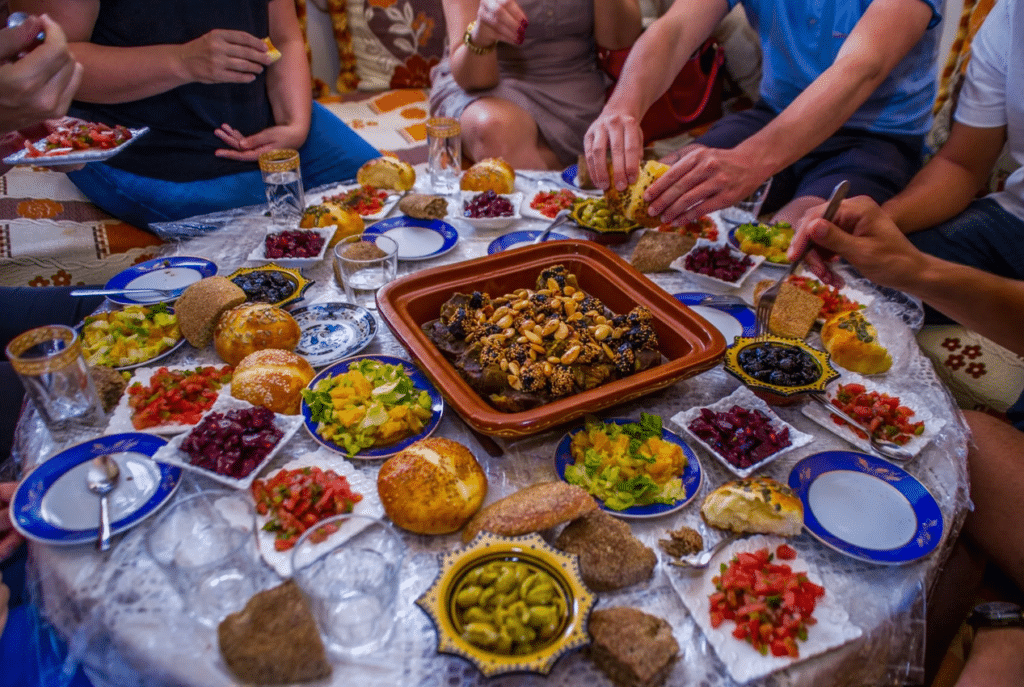
Cultural experiences and indoor activities: Cooking classes, hammams, and artisan workshops are enjoyable any time of year. Winter provides extra calm and space, while summer afternoons are perfect for retreating indoors while the city rests.
Rooftop dining and evening cafés: Spring, autumn, and summer evenings offer warm temperatures and long light. Rooftops feel lively and social, perfect for sunset drinks or watching the city shift from day to night.
Exploring gardens and palaces: Spring and autumn provide ideal walking conditions and soft light for photography. Bougainvillea and other flowering plants peak in spring. Winter offers calm, empty gardens but cooler temperatures, making leisurely exploration more reflective.
Wandering the medina: Spring and autumn are the best months for long, unhurried walks through the narrow streets. Mornings and late afternoons are especially pleasant, with fewer crowds and manageable temperatures. Summer mornings can work, but mid-afternoon sun is intense, while winter provides quiet streets with a more introspective pace.
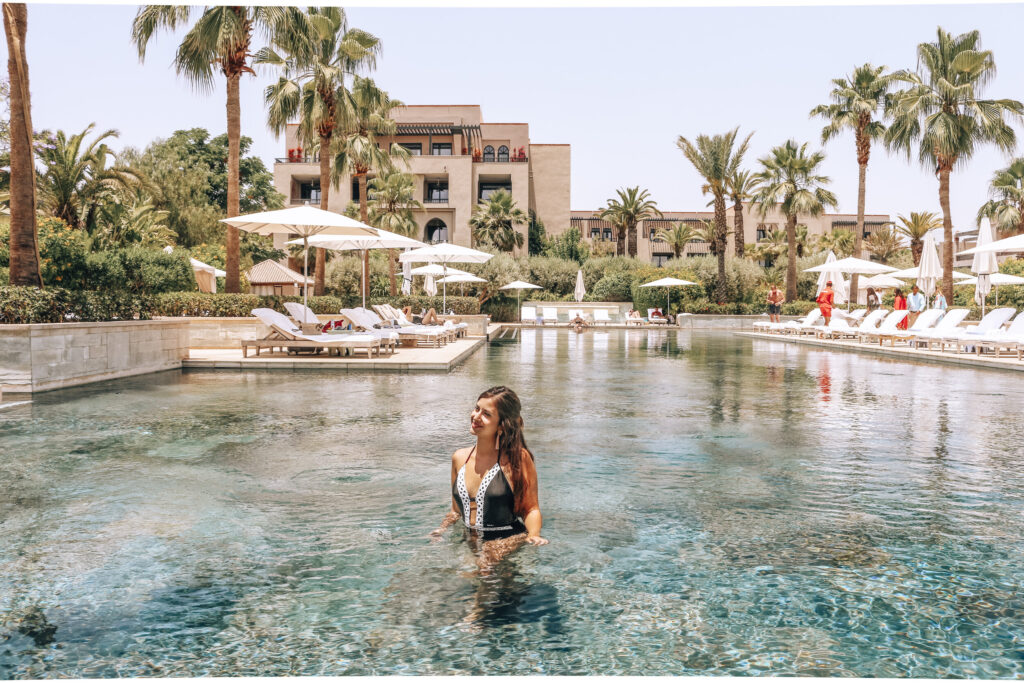
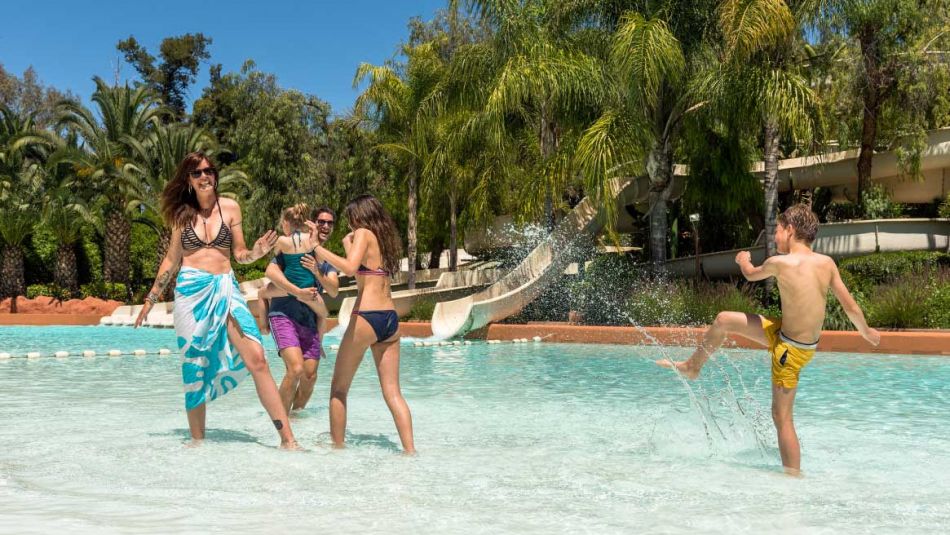
Pools and water parks (like Oasiria): Summer is perfect for cooling off. Pools at riads, hotels, and attractions like Oasiria Water Park are busy and lively, while spring and autumn are pleasant for swimming without the intense heat. Winter swimming is generally limited to heated pools.
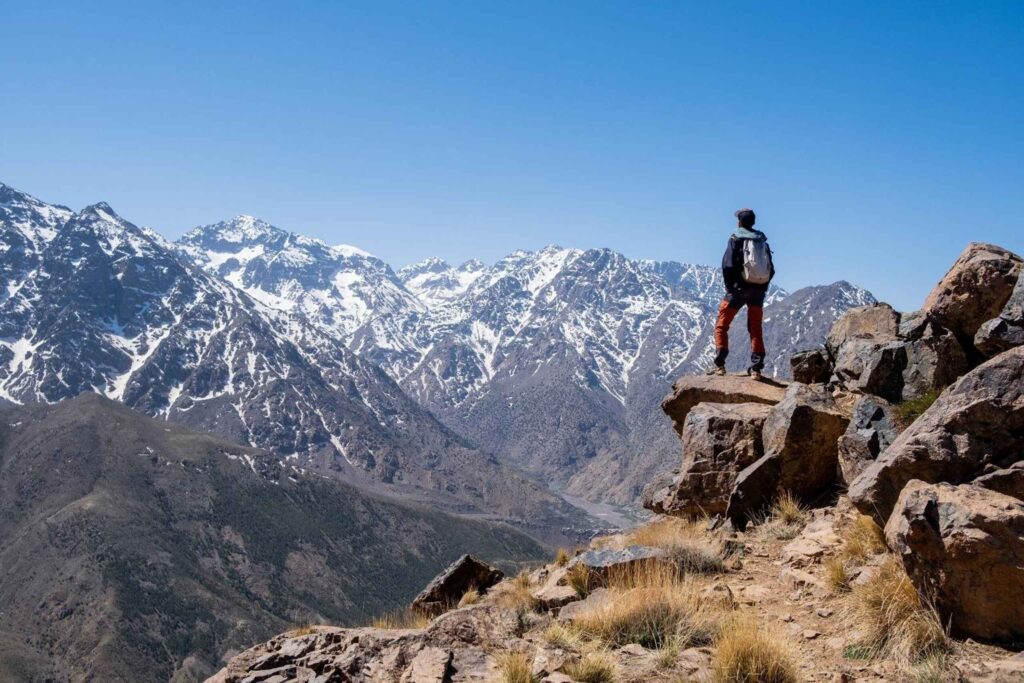
Hiking or excursions in the Atlas Mountains: Spring and autumn are optimal. Temperatures are moderate, and snow remnants in early spring make the scenery striking. Summer can be extremely hot, and winter may bring snow at higher elevations.
Desert trips: Avoid the height of summer unless well-prepared for extreme heat. Spring and autumn are ideal for driving, camping, or trekking. Winter is fine during the day but nights can be very cold.
Markets, souks, and medina shopping: Morning visits are comfortable year-round. Summer afternoons under direct sun can be harsh, so early mornings or late afternoons are preferable. Spring and autumn allow all-day wandering with minimal discomfort.
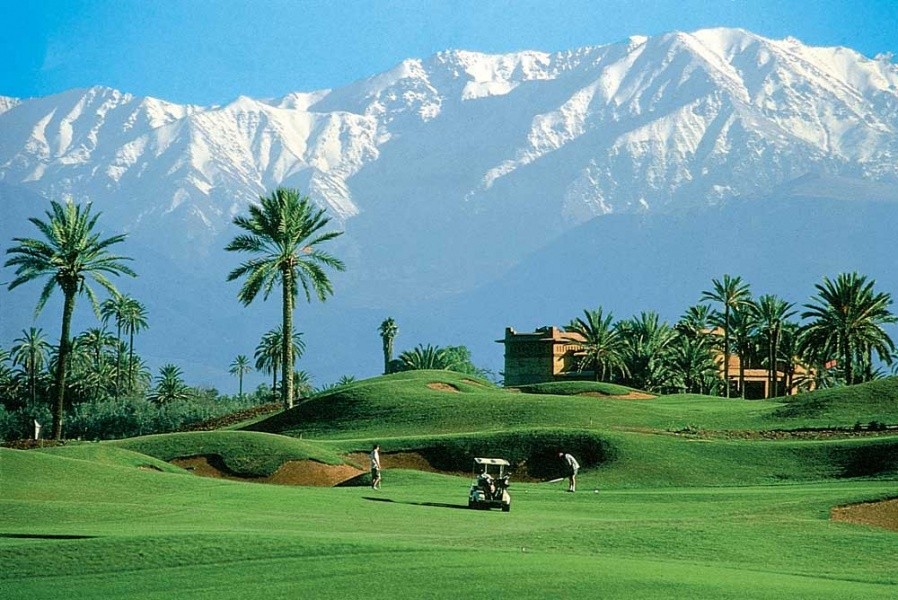
Golfing, tennis, and other outdoor sports: Spring and autumn are the most comfortable seasons, with moderate temperatures and long daylight. Summer can be challenging due to high heat, especially midday, while winter is cooler but still suitable for morning or late afternoon sessions if you layer appropriately.
Best Time to Visit Marrakech: Final Comparison Table
Scroll to see full table →
| Month | Avg High / Low | Rain (days) | Crowds / Seasonality | Prices | Key Activities / Notes |
|---|---|---|---|---|---|
| January ❄️ | 18°C / 5°C | 5–6 | Low, quiet streets (except New Year holiday 🎉) | Lower (except Dec 20–Jan 5 peak) | Wandering the medina in the morning, gardens, museums, cultural workshops; rooftop dinners require layers; desert trips need warm night gear. |
| February 🌸 | 19°C / 6°C | 4–5 | Shoulder season; medina slightly busier | Moderate | Cool mornings ideal for medina strolls; desert trips possible; Atlas hikes manageable; early Ramadan in 2027 (Feb 8–Mar 10 🌙) may affect daytime hours. |
| March 🌿 | 22°C / 8°C | 3–4 | Shoulder / start of spring | Moderate | Gardens begin blooming 🌺; medina walks comfortable; desert trips possible; early Ramadan 2026 (Feb 18–Mar 20 🌙) may affect daytime hours. |
| April 🌷 | 25°C / 10°C | 2–3 | High season; lively streets | Higher | Peak spring bloom; perfect for sightseeing, medina wandering, rooftop terraces 🌅, Atlas excursions; pools enjoyable; desert trips comfortable. |
| May 🌞 | 28°C / 13°C | 1–2 | High season | Higher | Warm days, mild evenings; sightseeing, medina, gardens; rooftop dinners; Atlas & desert trips very comfortable; Oasiria & riad pools perfect 🏊. |
| June 🔥 | 33°C / 17°C | 0–1 | Low season begins | Moderate | Summer heat starts; early morning medina walks recommended; midday rest or pools; rooftop evenings lively; desert trips require caution. |
| July 🔥 | 38°C / 21°C | 0 | Low season | Moderate | Peak summer heat 🌞; daytime sightseeing limited; best to swim in pools or Oasiria; evenings lively; desert trips challenging; medina quieter. |
| August 🔥 | 40°C / 22°C | 0 | Low season | Moderate | Hottest month 🌞; daytime exploration limited; early mornings or late evenings only; rooftop terraces, pools, Oasiria enjoyable; desert trips extreme. |
| September 🍂 | 36°C / 20°C | 1 | Shoulder / rising activity | Moderate-High | Heat eases; mornings and evenings comfortable; medina & gardens pleasant; desert trips & Atlas hikes excellent; rooftop dining enjoyable. |
| October 🍁 | 30°C / 16°C | 2–3 | High season | Higher | Warm, comfortable; medina, gardens, terraces perfect; Atlas & desert trips ideal; photography especially rewarding 📸; pools still pleasant. |
| November 🍂 | 24°C / 11°C | 3–4 | Shoulder season; quieter streets | Moderate | Mild weather; medina wandering & gardens pleasant; Atlas day trips possible; desert trips comfortable; cultural workshops enjoyable. |
| December ❄️ | 19°C / 6°C | 4–5 | Shoulder/High: quiet except Dec 20–Jan 5 peak 🎄 | Moderate | Calm streets for medina, museums, gardens; rooftop dining layered; holiday period is peak; pools limited; desert trips manageable with layers at night. |
✨Parting Note
So, what’s the best time of year to visit Marrakech? It really depends on you. If you love flowers and lively energy, spring will steal your heart. If you don’t mind oven-level heat and want fewer crowds, summer might work. Autumn is the all-rounder, offering balance and beauty, while winter delivers sunny days, crisp nights, and a calmer pace.
The good news? Marrakech never really loses its magic. No matter when you arrive, you’ll be welcomed with mint tea, dazzling colors, and that indescribable buzz that makes the city unforgettable.
👉 And if you’d like to experience the city in the most authentic way, no matter the season, check out our tours and experiences — from food adventures to cultural walks, we’ll make sure you see the very best of Marrakech at the perfect time of year.