Marrakech isn’t just a feast for the senses, it’s a city layered with history. Behind the bustling souks, lively squares, and colorful streets lie centuries of stories shaped by dynasties, scholars, artisans, and everyday life. From grand palaces to sacred spaces, the city’s past is still very much alive today.
To help you dive a little deeper, here are the top five must-visit historical sites in Marrakech that offer a fascinating window into the city’s rich and unforgettable heritage.
1. Bahia Palace
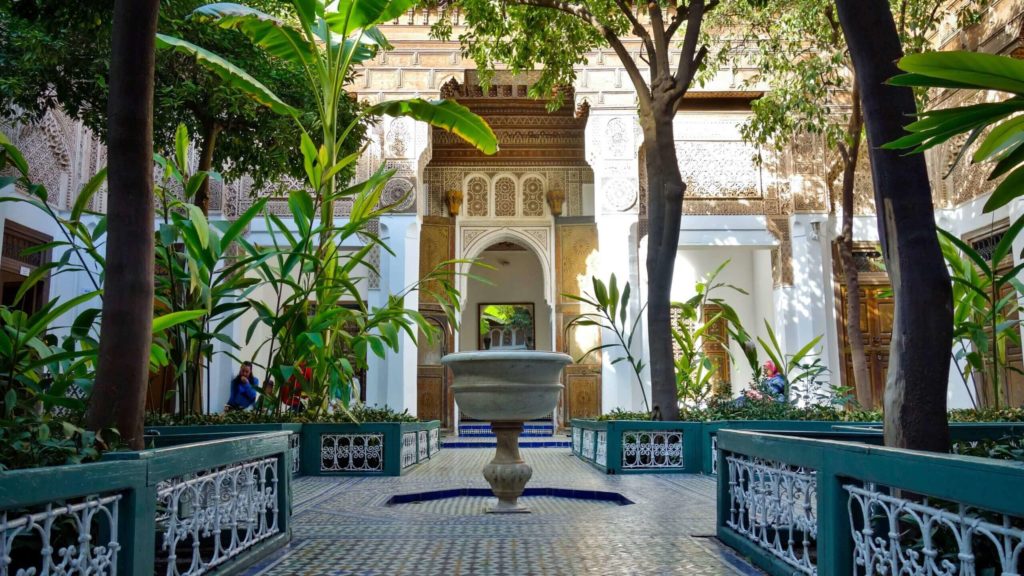
Bahia Palace is one of the most striking windows into Marrakech’s late 19th-century past. An architectural masterpiece, it stands as a testament to the city’s grandeur and architectural brilliance. Construction of the palace began in the 1860s under Si Moussa, Grand Vizier to the sultan, and was later greatly expanded in the 1890s by his son Ba Ahmed, who also served as Grand Vizier. Each addition was designed to outdo the last, creating a palace that showcased power, wealth, and refined taste.
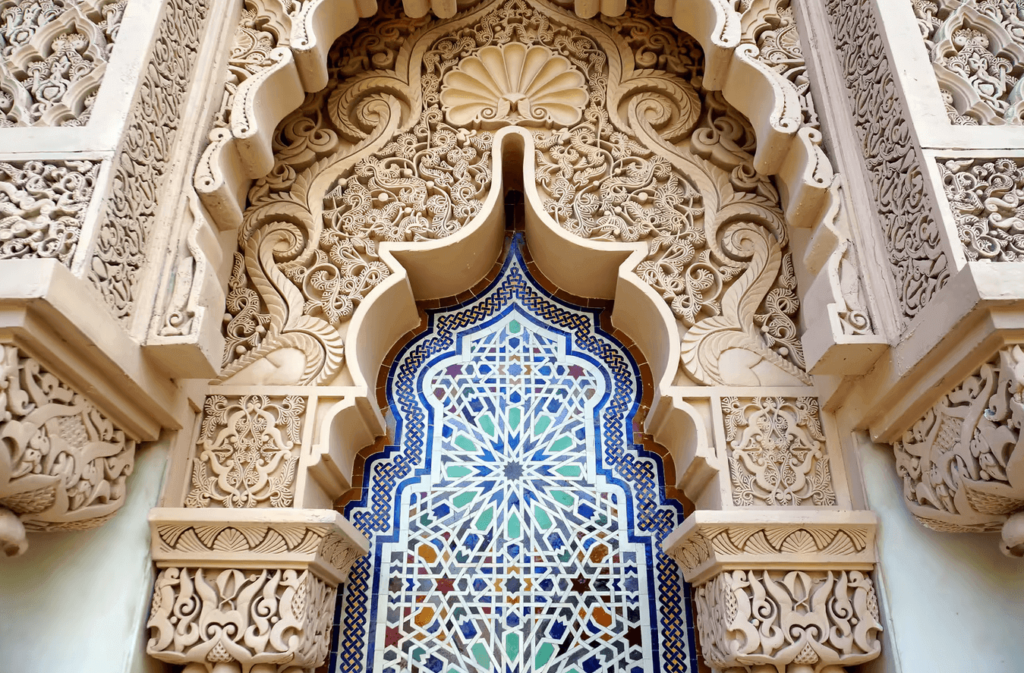
As you wander through its courtyards and rooms, you’ll notice intricate zellij tilework, carved cedarwood ceilings, painted details, and tranquil gardens that feel far removed from the city’s bustle outside. The palace once housed wives, concubines, servants, and guests, and you can still sense the layered life that once filled these spaces.
Bahia Palace isn’t about sheer size alone; it’s about craftsmanship, harmony, and attention to detail. Walking through it feels like stepping into a carefully preserved chapter of Marrakech’s political and artistic history.
Moorish architecture and decoration at its best
"This is a massive palace with spectacular decoration, especially the zellig tiles; it is well worth the admission fee. The palace is largely unfurnished, but the decor of the walls and ceilings is the big attraction. Don't forget your camera! If you've enjoyed Moorish decor in Seville, Cordoba or Granada, you'll love this place."
— Karen P.
2. Koutoubia Mosque
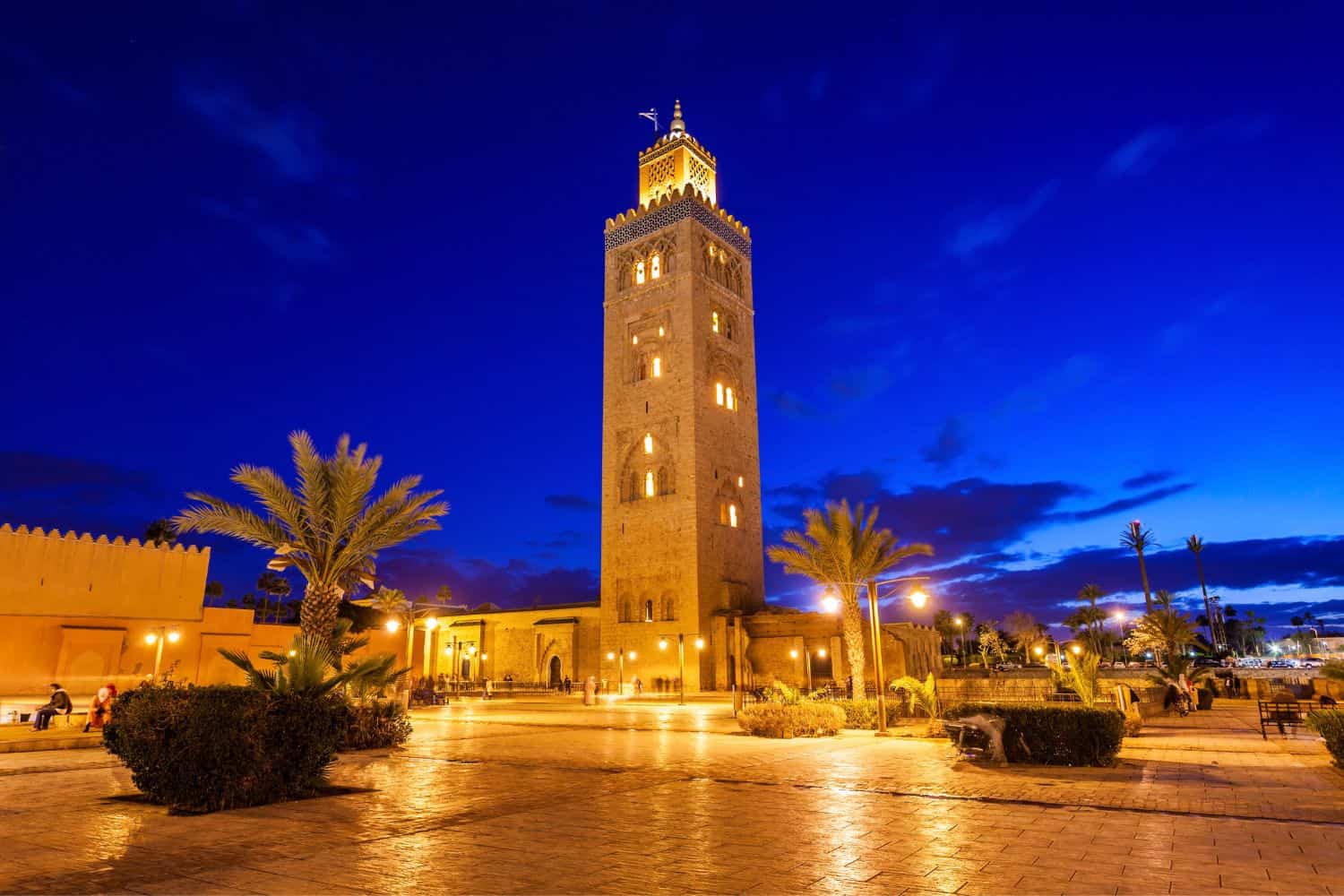
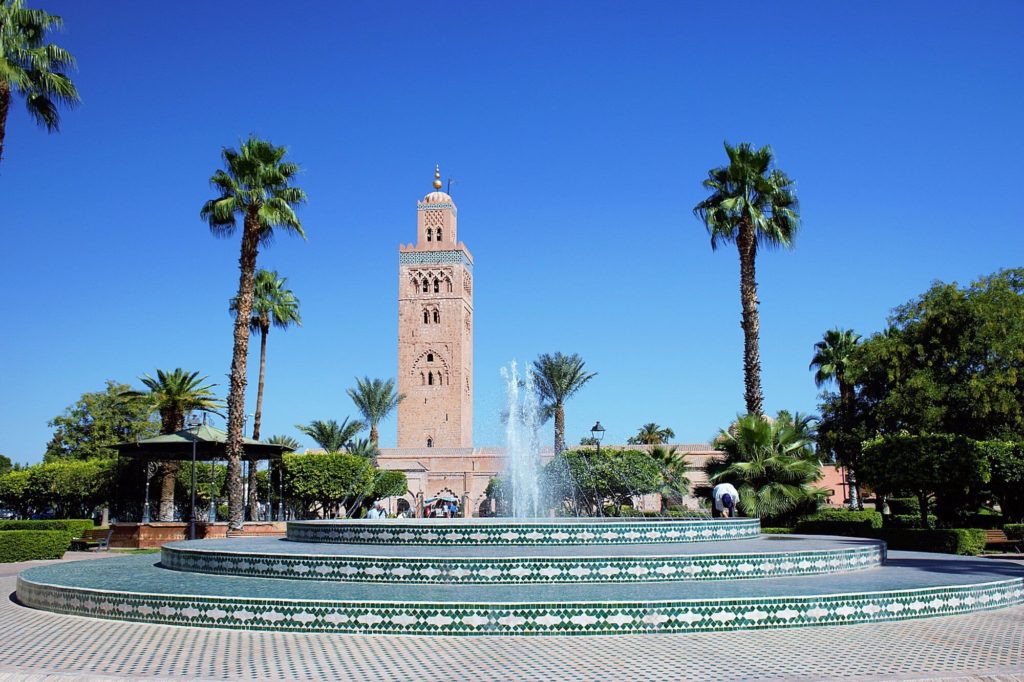
The Koutoubia Mosque is the most recognizable landmark in Marrakech, its elegant minaret rising above the city and visible from miles away. Built in the 12th century during the Almohad dynasty, it remains the largest mosque in Marrakech and a powerful symbol of faith and history.
The minaret’s refined proportions and decorative stonework set the standard for later landmarks across the region, including the Giralda in Seville. While non-Muslims cannot enter the mosque itself, the exterior alone is worth lingering over, especially as the call to prayer echoes through the medina and nearby streets.
More than just a monument, the Koutoubia continues to shape the rhythm of daily life in Marrakech, connecting the city’s past and present through sound, sight, and tradition.
"Although we could not see this mosque from the inside but still the outside and architecture and history of that place are just unbelievable"
— Christine A.
3. Medersa Ben Yousef
Medersa Ben Youssef is one of the most beautiful and contemplative historical sites in Marrakech. Hidden within the medina, this former Islamic school feels like a world apart from the busy streets outside. Founded in the 14th century and later rebuilt in the 16th century under the Saadian dynasty, it once welcomed students from across Morocco and beyond.
The heart of the medersa is its symmetrical courtyard, where light, shadow, and silence do most of the talking. Fine stucco carvings, geometric patterns, and flowing Arabic calligraphy cover the walls, while rows of simple student cells upstairs hint at a life devoted to study and discipline.
There’s a quiet intensity to this place. Standing here, it’s easy to imagine the scholars who once memorized texts, debated ideas, and spent years learning within these walls. Medersa Ben Youssef offers a rare glimpse into Marrakech’s intellectual and spiritual past.
"Beautiful Islamic architecture — cool to peek into the historic bathrooms and dormitories. We went early at opening at 9 am so it was not crowded at all. My main regret is not getting a tour guide to teach us more about the history of the madrasa and all the rooms we were walking through (embarrassingly, it took us a minute to figure out it was all dorm rooms!)"
— Julie W., USA
4. El Badi Palace
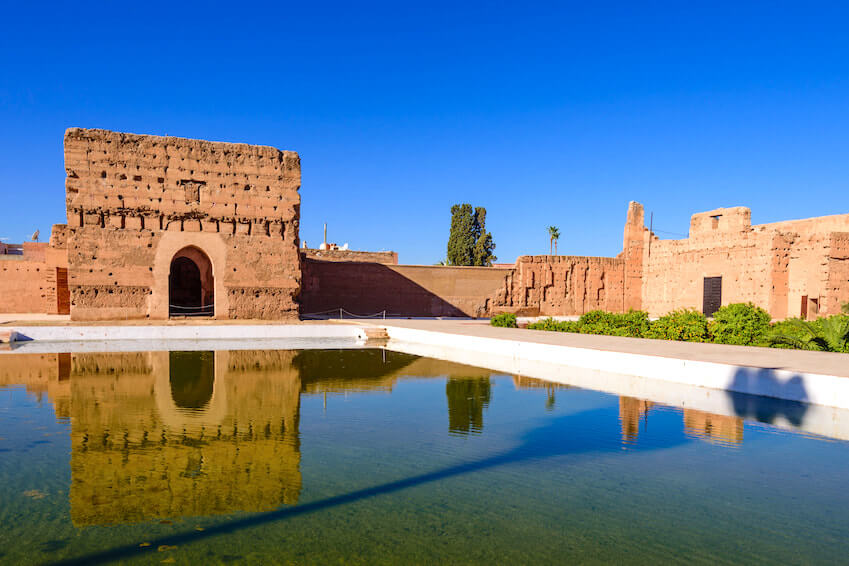
El Badi Palace may lie in ruins today, but its scale and history still leave a lasting impression. Built in the 16th century by Sultan Ahmad al-Mansur to celebrate Morocco’s wealth and power, it was once a dazzling palace of gold, marble, and intricate decoration — one of the grandest in the Islamic world.
As you wander among the vast sunken gardens, empty pools, and towering walls, it’s easy to imagine the opulence that once filled the halls: lavish receptions, exotic gifts, and the bustle of servants and courtiers. Even in its ruined state, El Badi Palace tells a story of ambition, craftsmanship, and the grandeur of Morocco’s Saadian dynasty.
Visiting here is not just about seeing the past; it’s about feeling it. The ruins invite reflection, giving you a sense of scale and power that few other sites in Marrakech can match.
"This palace is huge! There are several rooms to visit with artefacts (including a very old minbar!). I thought the museum was very informative and had English translations. A must visit to get a glimpse into the Saadian period."
— Jasmine H., United Kingdom
5. Mellah
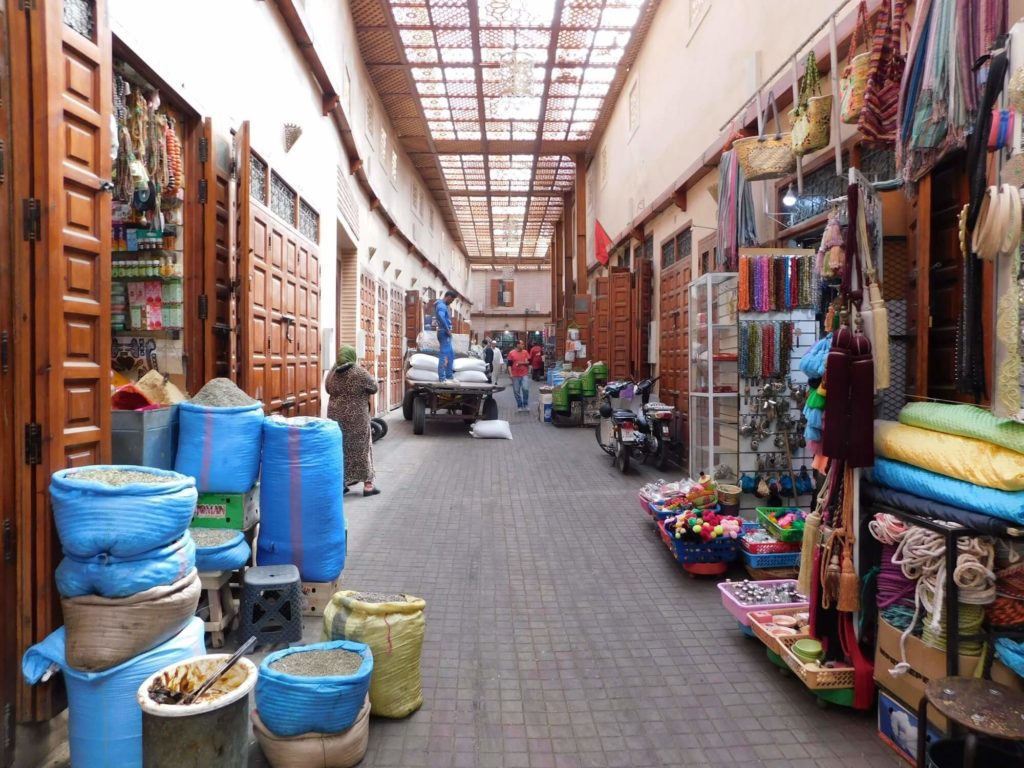
The Mellah, Marrakech’s historic Jewish quarter, is a neighborhood full of character and history. Established in the 16th century, it was once home to the city’s Jewish community and served as a hub of trade, culture, and daily life. Walking its narrow streets, you’ll find ancient synagogues, colorful markets, and hidden courtyards that tell stories of centuries of coexistence.
The Mellah offers a glimpse into a side of Marrakech that many visitors miss — a place where different communities lived, worked, and shaped the social fabric of the city together. Even today, the area retains its distinctive charm, blending tradition with the rhythms of modern life, and gives visitors a unique perspective on Marrakech’s rich cultural tapestry.
"We had a tour with a guide walking through this area and it has interesting history. It was built in 1558. Its inhabitants were business people trading sugar, banking, metal, clothing and jewellery. This district has a distinct architecture like tall outward looking houses with balconies, enclosed alleys and tiny shops. You can still see synagogues too."
— Natalie R., Germany
Exploring the top 5 historical sites to visit in Marrakech is like stepping into a journey through time. Each place tells a different chapter of the city’s story, spanning centuries of cultural, architectural, and religious evolution. From the regal elegance of Bahia Palace to the spiritual presence of Koutoubia Mosque, these landmarks offer a rich, multi-layered experience.
As you wander the ancient streets, you’ll uncover the quiet scholarship of Medersa Ben Youssef, feel the faded grandeur of El Badi Palace, and stroll through the Mellah, which stands as a testament to the harmonious coexistence that has defined Marrakech for generations.
These sites are more than just landmarks... they are windows into the soul of Marrakech. They let you connect with the past, appreciate the city’s cultural legacy, and understand the intricate threads that have shaped its identity. Whether you’re a history lover or simply a curious traveler, visiting these must-see locations will leave you inspired, enriched, and seeing Marrakech in a whole new light.
FAQs
Q1: How do I get to Marrakech's historical sites?
Most of Marrakech’s key historical sites are concentrated around the medina, so many can be reached on foot if you’re staying nearby. Walking is often the best way to soak in the atmosphere, navigate the winding streets, and stumble upon hidden corners along the way.
Q2: Are these sites family-friendly?
A2: Yes! Most of Marrakech’s historical sites are suitable for families and children.
Q3: Are guided tours available?
A3: Absolutely! Guided tours are a great way to delve deeper into the history and significance of these sites.
If you want a hassle-free experience and insider context, joining a local guided tour is highly recommended. A guide can help you skip lines, share fascinating stories you might otherwise miss, and help you explore safely and efficiently.
Learn more about our guided tours & experiences.
Q4: Is there an entrance fee for these historical sites?
Yes, most of Marrakech’s historical sites charge an entrance fee. For example, Bahia Palace, El Badi Palace, and Medersa Ben Youssef all have ticketed entry, while the Mellah and Koutoubia Mosque (outside view) are free to explore.