If you’re thinking about visiting Morocco during a holiday period, you’re not alone. Over the years, we’ve seen a steady increase in travelers choosing to come during school breaks, public holidays, and major religious festivals. Some do it because it’s the only time they can travel. Others are genuinely curious to see the country when it’s at its most alive.
In the past, these periods were often avoided, not because they were unpleasant, but because travelers simply lacked reliable information. Many did not know what to expect, how daily life would change, or whether services would still be running. Planning felt uncertain, especially from abroad.
Today, that’s changing. Better information, firsthand stories, and more experienced local operators have made holiday travel feel far more accessible, especially in well-visited cities like Marrakech and Fes. These cities are now firmly on travelers’ radar, even during busy or slower holiday seasons.
Holidays in Morocco can be a wonderful time to visit. They are warm, social, and often joyful. At the same time, they come with differences that are not always obvious when you’re planning your trip. The experience can feel richer, louder, slower, or more complex, depending on what you expect and how flexible you are.
What follows isn’t a list of do’s and don’ts. It’s a grounded look at what holidays actually feel like here, based on what we see on the ground and the questions travelers ask us again and again.
What “Holidays” Means in a Moroccan Context
One thing many travelers are surprised to learn is that holidays in Morocco don’t all work the same way.
Broadly speaking, there are three types that matter for visitors:
- Religious holidays, such as Ramadan and Eid al-Fitr or Eid al-Adha
- National public holidays, like Throne Day or Independence Day
- International travel holidays, when visitors arrive because it’s peak vacation time in Europe or North America
Each of these affects daily life differently. Sometimes they overlap, which can amplify their impact.
Religious holidays have the most noticeable influence on the rhythm of the country. They shape opening hours, energy levels, traffic patterns, and how people use public space. National holidays usually have a lighter effect for travelers. Some offices may close and official ceremonies take place, but tourism services generally continue as normal. International holiday periods mostly affect crowd levels and prices rather than local routines.
Understanding which kind of holiday you’re visiting during matters more than the word “holiday” itself.
Ramadan: The Month Travelers Ask About Most
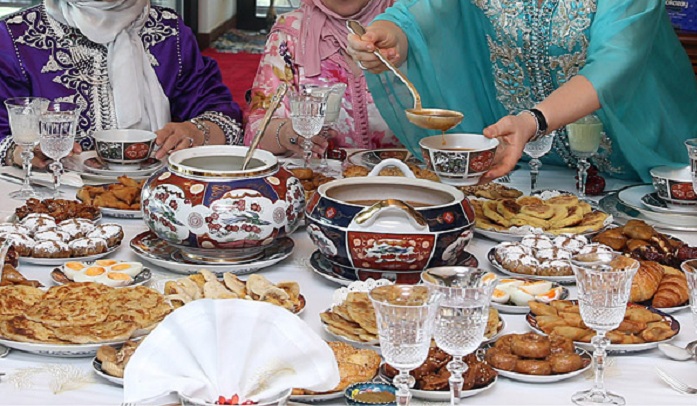
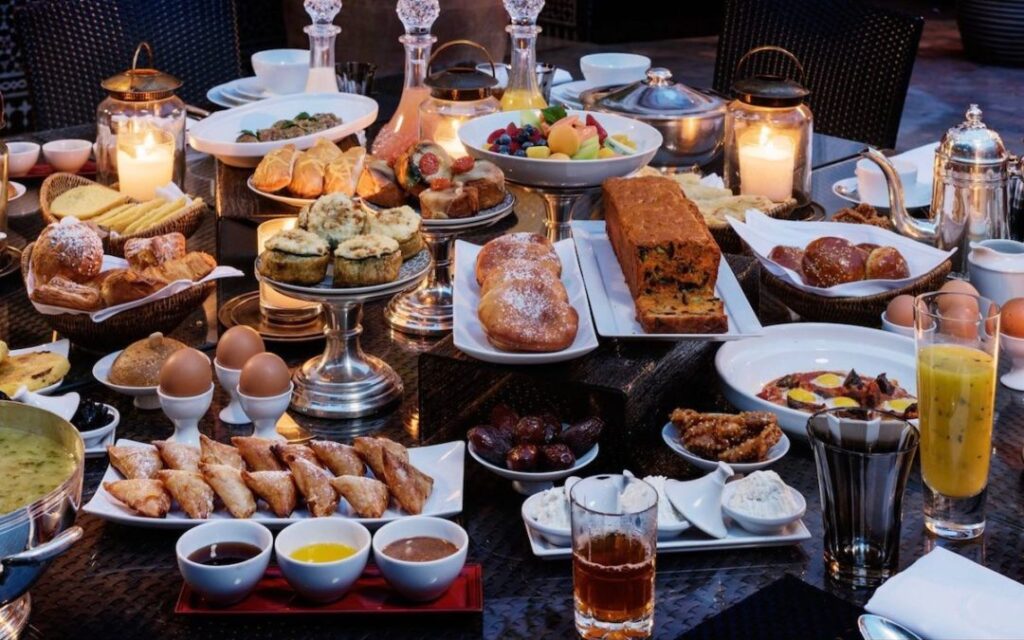
Ramadan is the period travelers ask us about more than any other. Many worry it will make travel difficult or uncomfortable. In practice, it depends a lot on how you travel and what you expect.
During Ramadan, Muslims fast from dawn to sunset. This doesn’t mean Morocco shuts down, but the rhythm of the day shifts. Mornings are often calm and quiet. Some shops open later. Some shops open later. Government offices and banks run on shorter hours. Afternoons can feel slow, especially on hot days or in warmer regions.
What often surprises visitors is how lively evenings become. After sunset, cities wake up quickly. Cafés fill up, families gather, and streets stay busy late into the night. The atmosphere feels social and communal rather than restrictive. There is a warmth in the air that many travelers end up appreciating.
For visitors, Ramadan usually means fewer daytime options in some neighborhoods, but a deeper sense of local life once the sun goes down.
What This Means in Practice for Travelers
- Hotels and riads continue serving meals as usual
- Tourist sites generally remain open, sometimes with adjusted hours
- Alcohol is available more discreetly, mostly in hotels and licensed venues
- Eating or drinking in public during the day is best done quietly and respectfully (you generally won’t be bothered anyway)
- Some local restaurants close during the month, but many remain open, especially those catering mostly to tourists & foreign visitors
- There are often fewer tourists, so popular spots like Jardin Majorelle and Yves Saint Laurent Museum tend to be less crowded
💡Travel Tips
- Plan sightseeing earlier in the morning
- Expect slower service in the late afternoon
- Embrace later dinners, this is when the energy returns and the city comes alive
🎯Visiting During Ramadan Is Ideal For
- Curious, patient, culturally minded travelers
- People comfortable with a slower daytime pace
- Visitors who enjoy evenings, conversation, and atmosphere
🚫You May Want to Avoid Visiting During Ramadan If You Are…
- Very dependent on daytime cafés and spontaneous dining
- Uncomfortable adjusting routines
- Expecting fast-paced travel, or highly efficient schedules
🗓️Expected Ramadan Dates
(Subject to moon sighting)
- 2026: approx. Feb 18 – Mar 19
- 2027: approx. Feb 8 – Mar 9
- 2028: approx. Jan 28 – Feb 26
- 2029: approx. Jan 17 – Feb 15
- 2030: approx. Jan 6 – Feb 4
What about One Life Trips?
During Ramadan in 2026 (Feb 16 to Mar 22), we will operate all our tours and activities as usual, including:
- Cooking Class at a Farm
- Private Marrakech City Tour
- Souks & Marrakech Medina Shopping Tour
- Day Trip to the Atlas Mountains
- Agafay Desert Sunset Quad Ride and Dinner
- Our customized multi-day tours
The only exception is our Authentic Moroccan Food Tour, which will run on a reduced schedule of three days per week: Tuesdays, Thursdays, and Sundays. We recommend booking early, as these spots tend to fill up quickly.
Eid Holidays: Short, Intense, and Family-Focused
Eid holidays are different. They’re brief but intense, deeply meaningful, and very family-centered.
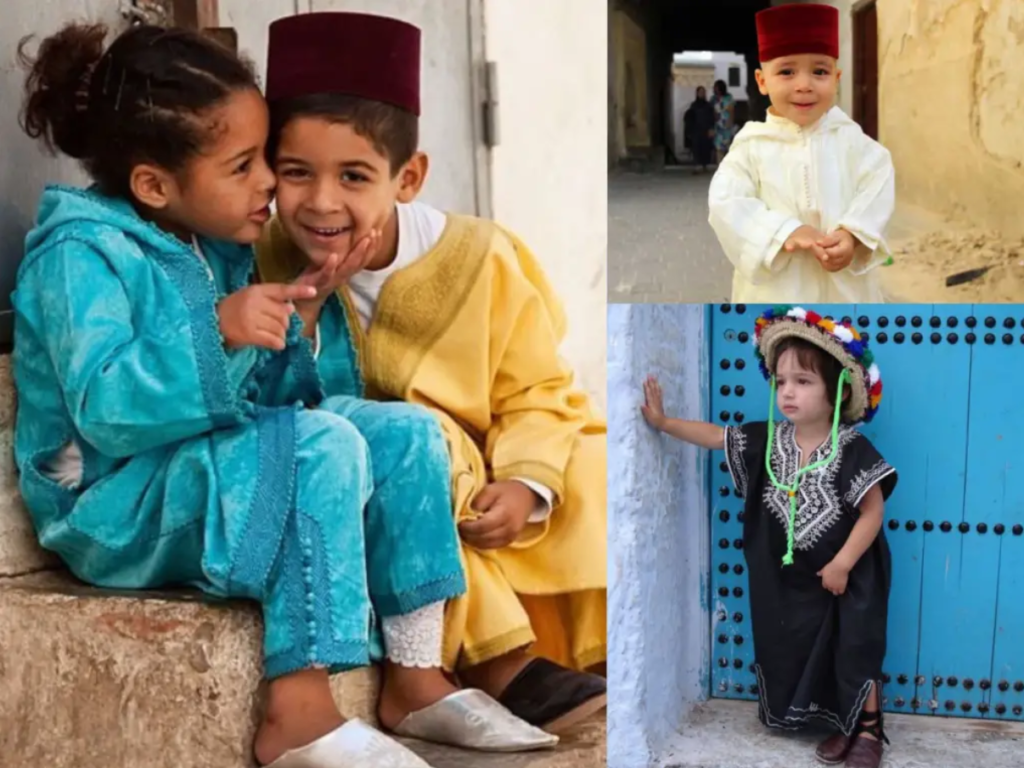
Eid al-Fitr, also known as Eid al-Seghir (the small feast), marks the end of Ramadan. It’s a moment of relief and celebration after a month of fasting. Families gather early in the morning, people dress in new clothes, prayers are held, and meals are shared at home. The focus is on togetherness rather than public festivities, and daily life slows noticeably for a couple of days.
Eid al-Adha, the Feast of the Sacrifice, also called Eid al-Kebir (the big feast), is the most significant family holiday of the year. It commemorates prophet Abraham’s willingness to sacrifice his son and is observed with strong religious and cultural traditions. During this period, many businesses close for one, three, or even seven days. Staff travel back to their hometowns, often making this their only extended break of the year. Cities can feel unusually quiet, while roads leading out of town become very busy.
This is where expectations most often differ from reality. Travelers sometimes assume Eid means business as usual with a festive atmosphere. In truth, Eid is deeply private, home-focused, and not designed around tourism.
How It Affects Your Trip
- Limited restaurant and shop availability for a few days; some close completely
- Possible shortages of beef and lamb in restaurants
- Some tours may pause briefly or require adjustments
- Certain experiences may simply not be available
- Transportation before and after Eid can be crowded, with rental cars more expensive and harder to find, especially as many Moroccans living abroad return home
At the same time, there’s something very human about seeing Morocco slow down. If you’re staying in a riad, you may notice neighborhoods become quieter and more intimate. With good planning, travel is still possible, but flexibility matters a lot, more than at any other time of the year.
💡Travel Tips
- Avoid long-distance travel on Eid days if possible
- Stock up on essentials the day before
- Plan simple, local activities rather than packed itineraries
🎯Who Eid Periods Are Right For
- Flexible travelers
- Visitors staying in one place for several nights
- Those comfortable with quiet, reflective days
🚫Avoid Visiting During Eid If You Are…
- On a tight schedule
- Relying on restaurants for every meal
- Expecting full access to services every day
🗓️Expected Eid Dates
(Also subject to moon sighting)
Eid al-Fitr
- 2026: around Mar 20
- 2027: around Mar 10
- 2028: around Feb 27
- 2029: around Feb 16
- 2030: around Feb 5
Eid al-Adha
- 2026: around May 27
- 2027: around May 16
- 2028: around May 5
- 2029: around Apr 24
- 2030: around Apr 13
What about One Life Trips?
During Eid al-Fitr and Eid al-Adha, we pause our food-related experiences (Food Tour and Cooking Class) for about 5 to 7 days. Please check our availability calendar in advance.
For other tours, we usually close only for 2 or 3 days around Eid, depending on logistics.
International Holiday Periods: Crowds, Not Culture
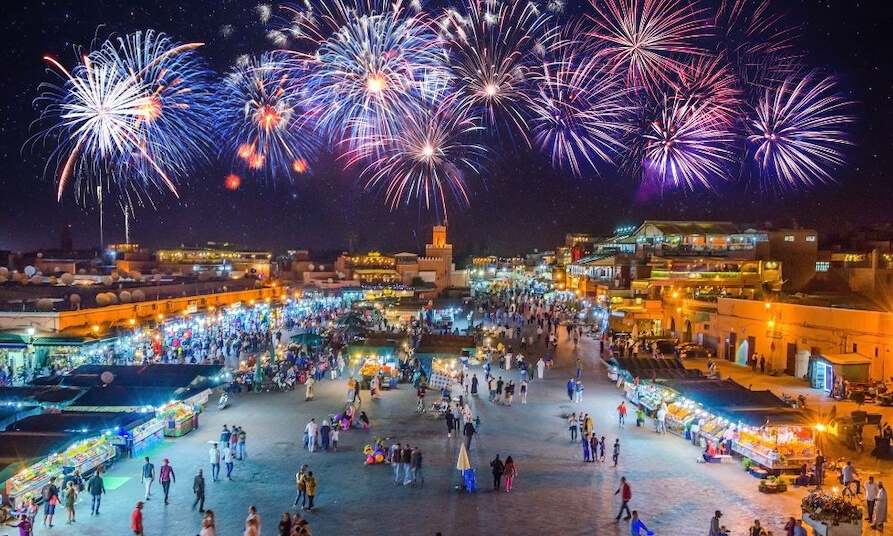
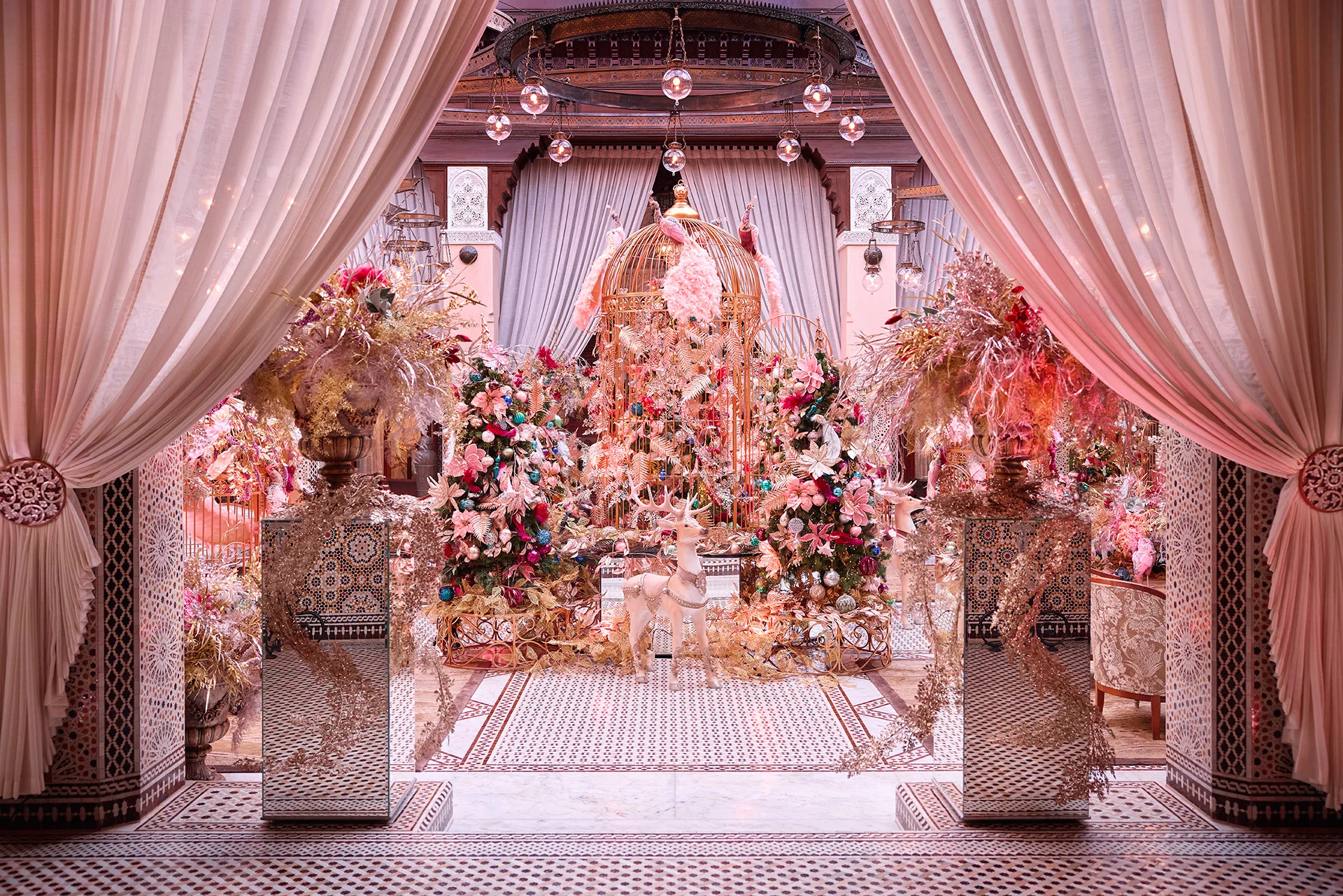
Christmas, New Year, Easter, and international summer school holidays don’t change daily life in Morocco in a cultural sense, but they do significantly affect the travel experience.
These periods bring higher visitor numbers, especially in Marrakech, Fes, and along the coast. Hotels fill up earlier, popular sites are busier, and guides and drivers are in high demand.
What many travelers don’t realize is that Morocco doesn’t celebrate these holidays in the same way. December 25, for example, is a normal working day. You won’t see widespread decorations outside of hotels or tourist-oriented restaurants.
New Year’s Eve is the exception. While it isn’t a traditional Moroccan holiday, it has become a popular social moment, particularly in larger cities. Restaurants offer special dinners, rooftops and hotels host low-key celebrations, and many families mark the occasion quietly at home with a cake and good wishes for the year ahead. It generally feels more relaxed and symbolic than festive. That said, some venues do lean into a more exuberant celebration, with live music, DJs, and late-night parties, especially in larger hotels and nightlife-focused spots.
How It Affects Your Trip
The main impact is logistical rather than cultural:
- Prices tend to be higher
- Availability is tighter
- Major attractions are more crowded
- Advance planning matters more
💡Travel Tips
- Book accommodation and transport well in advance
- Start your days earlier to avoid peak visiting hours
- Prime time slots at places like Jardin Majorelle sell out fast, so reserve ahead
- Consider adding lesser-visited regions for balance
🎯Who These Periods Are Right For
- Travelers limited by school or work calendars
- Visitors comfortable with lively, social environments
- Those who don't mind planning ahead
🚫Avoid These Periods If You Are…
- Seeking quiet medinas and empty sites
- Hoping to plan last-minute
- Sensitive to crowds
🗓️Typical International Holiday Periods
- Late December to early January
- Easter week (varies yearly)
- July–August summer holidays
What about One Life Trips?
We operate all our tours as usual during these periods. However, because we focus on quality rather than volume here at One Life Trips, availability remains limited and experiences often fill up quickly. If you have your dates in mind, booking ahead is definitely recommended.
National Public Holidays: Celebrating Morocco’s History and Culture
Morocco has several national holidays that reflect our history, culture, and identity. For travelers, these days are usually calm, with most businesses and tourist sites operating normally. Occasionally, ceremonies, parades, or official events create a noticeable local buzz, offering a glimpse of patriotic or cultural traditions. Visiting on these days can be a nice opportunity to see Morocco’s public life and celebrations up close, without major disruptions to travel plans.
Key Holidays
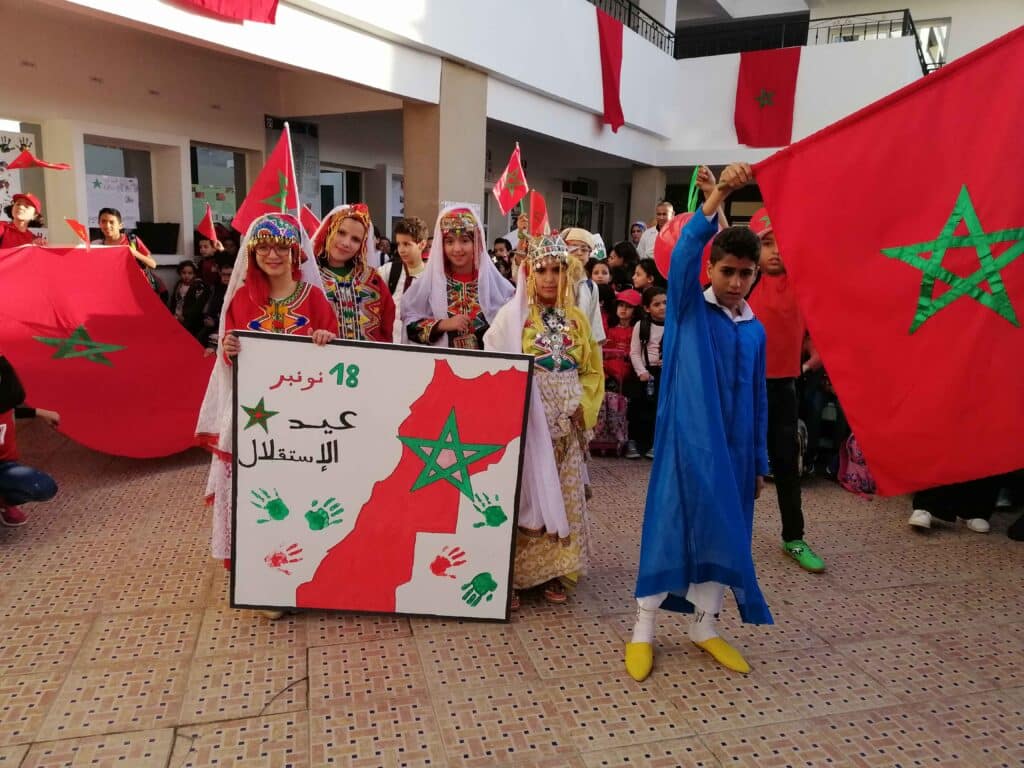
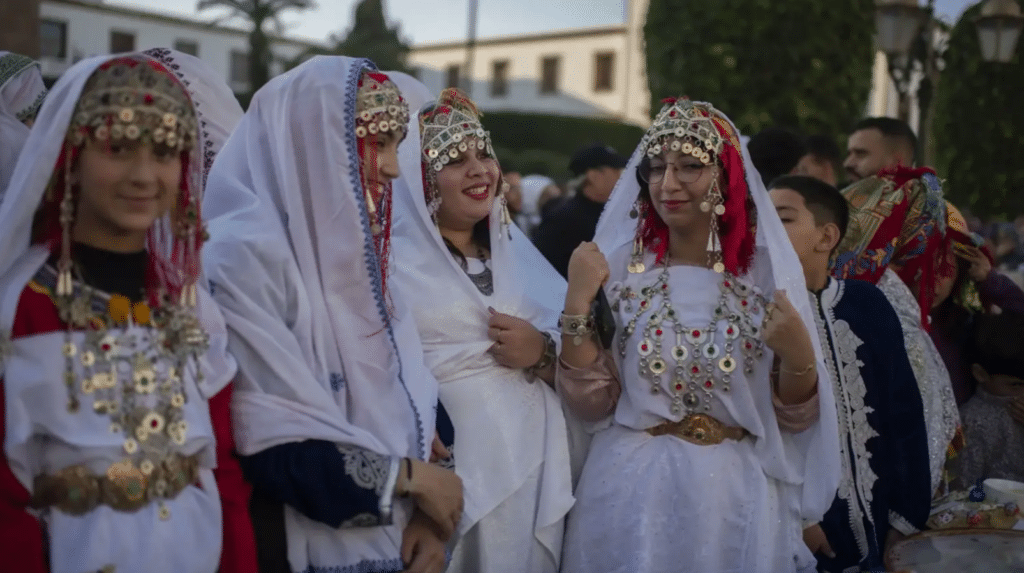
Independence Day (November 18) – Marks Morocco’s independence from France in 1956. Government offices and banks close, and some streets in major cities host small ceremonies. You may see flags, school events, or light parades. Overall, it’s a low-impact day for tourism but offers a meaningful cultural experience.
Throne Day (July 30) – Celebrates the King’s accession to the throne. Official events include flag displays, government gatherings, and local decorations. Public buildings close, but the atmosphere is festive, and streets often feel more celebratory than usual.
National Unity Day (October 31) – Celebrates Morocco’s territorial integrity and the international recognition of its autonomy plan for the Moroccan Sahara, officially formalized by the UN in 2025. Ceremonies are usually official and symbolic, and this day is largely observed with flags, media coverage, and civic pride. Tourism impact is minimal.
Mawlid (Prophet’s Birthday) – A smaller religious commemoration, with dates shifting yearly based on the lunar calendar. Expect sweets, chants, and local gatherings. Most tourist areas continue as usual, so the impact on visitors is almost nil.
Amazigh New Year (Yennayer, January 12) – Celebrates the Berber calendar and the start of a new agricultural year. Schools and offices may close, and families mark the occasion with traditional meals, music, and community gatherings. In regions like Souss (Agadir, Taroudant, and surrounding areas), you might also see folk songs, symbolic rituals connected to farming and fertility, and even large fireworks displays. The impact on tourism is minimal, making it a culturally rich yet quiet experience for visitors.
What to Expect / What Changes
- Most tourist sites remain open, although offices and banks may close
- Some streets may be busier around ceremonial events
- Local neighborhoods are often quieter as people take the day off
💡Travel Tips
- Check opening hours in advance for government-run attractions
- Public transport usually runs normally, but minor delays can occur in cities hosting ceremonies
- Use these days as an opportunity to explore neighborhoods, markets, or natural sites less crowded by locals
🎯Who National Holidays Are Right For
- Travelers seeking authentic local observation with minimal disruption
- People who enjoy seeing civic and cultural pride in action
- Visitors planning relaxed city exploration
🚫Avoid National Holidays If You Are…
- On a tight schedule with strict timing needs
- Relying on banking or government services
What about One Life Trips?
National Public Holidays don’t affect our schedule. We run all our tours and experiences as usual. You can plan your trip with confidence, knowing everything will operate normally.
Comfort, Cost, and Trade-Offs
It’s worth being upfront about the trade-offs.
Visiting Morocco during holidays often comes with higher prices and limited availability, while during periods like Ramadan, costs may be lower but some experiences are harder to access. Neither makes your trip better or worse. It’s simply a different flavor of Morocco, with its own pace, energy, and vibes.
If your priority is:
Ease and efficiency → avoid peak holiday weeks
Cultural atmosphere → religious periods can be especially rewarding
Predictability → stick to quieter seasons
Festive energy → peak holiday periods can be lively and social, perfect for travelers who enjoy crowds and celebrations
Ultimately, it all comes down to what matters most to you — whether that’s a calm, predictable trip or seeing Morocco at its liveliest.
A Note on Respect and Curiosity
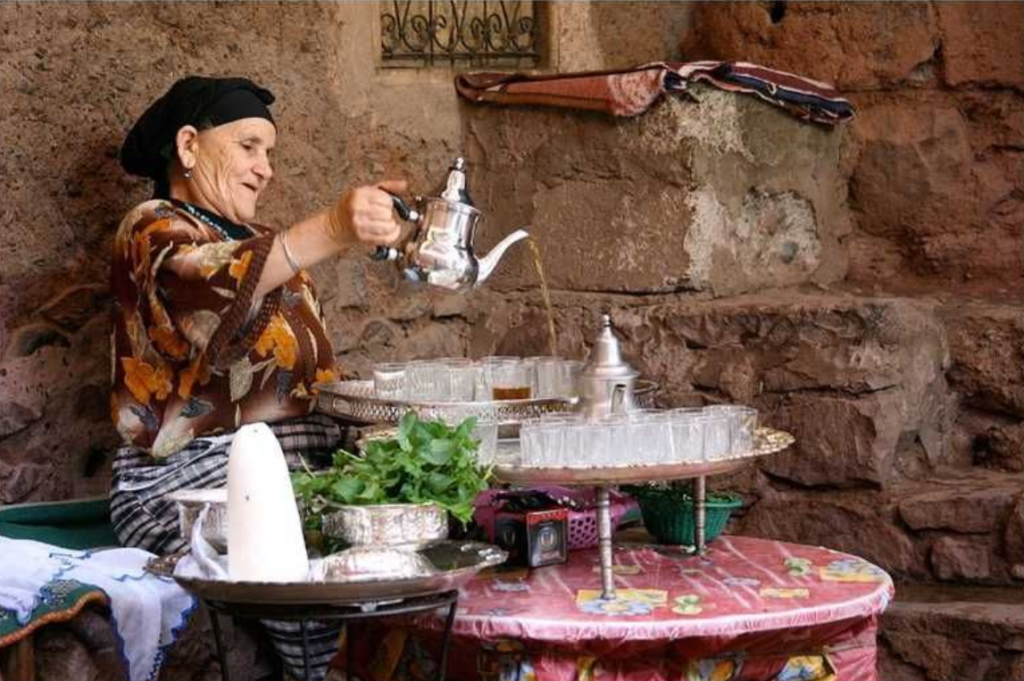
Morocco is used to visitors, even during special periods like Ramadan or Eid. You really don’t need to walk on eggshells. Just a little awareness goes a long way.
Simple gestures, like asking before taking photos, being discreet while eating during fasting hours, or greeting people politely, are always appreciated. Many travelers tell us they feel genuinely welcomed, even when they’re clearly outsiders to the celebration.
Curiosity combined with respect is almost always met warmly, making these special periods both unique and rewarding for you.
Final Thoughts
Visiting Morocco during holidays isn’t about finding the “perfect” moment. It’s about understanding the moment you’re stepping into.
Holidays reveal things that quieter periods do not: how families gather, how cities breathe, how routines bend rather than break. They can be inconvenient at times, and they can also be unexpectedly moving.
If you come with flexibility, patience, and a willingness to observe rather than fully control the experience, holidays can add real depth to your journey, not despite the differences, but because of them.
We hope this article has given you a clearer picture of what to expect during holidays in Morocco and helps you decide whether a particular period suits your travel style, so you can plan a trip that is enjoyable, memorable, and truly your own.